

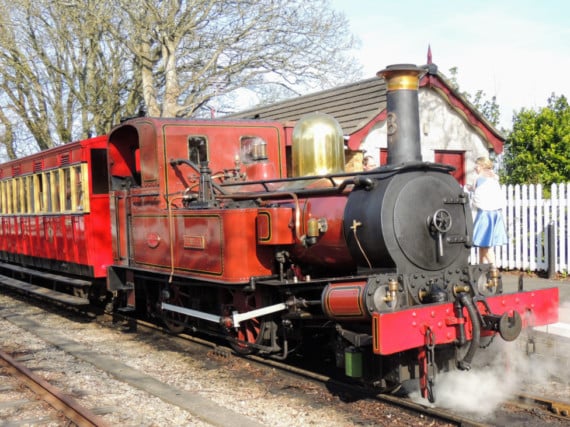
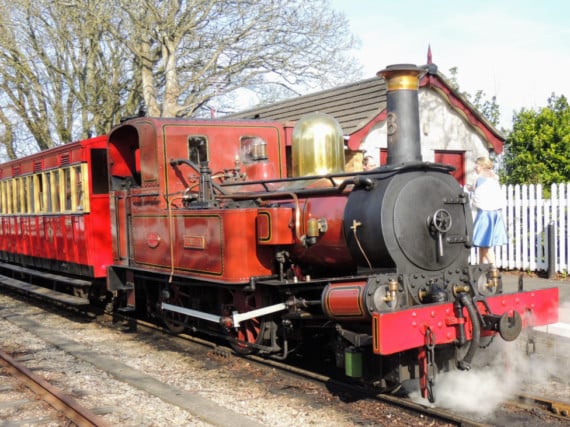
There has been an impressive increase in the number of passengers using the island’s heritage transport.
And while the vintage trains and trams are currently subsidised by the taxpayer to the tune of £1.85m (£2.18m including the horse trams), there has been a significant rise in income - and costs are also down on last year.
Figures released in a written reply to a House of Keys question show that passenger journeys on the Manx Electric Railway have doubled in seven years, rising from 121,459 in 2012 to 244,863 last year.
In the same period, passenger numbers on the Snaefell Mountain Railway rose, from 44,581 in 2012 to 76,434 in 2018.
.png?width=209&height=140&crop=209:145,smart&quality=75)


Passenger journeys on scheduled Steam Railway services are also up on 2012, from 98,276 that year to 113,197 in 2018, although they have dropped from the 121,422 recorded in 2017.
However, numbers booked on the dining train have also significantly increased since the service was introduced, rising from 5,702 in 2016, to 8,864 in 2017 and then to 9,000 last year.
Passengers carried on the horse trams have also increased since the line was taken over by the government. In 2015, 51,020 travelled on the bay tramway - last year, the figure was 80,606.
Figures for income generated by the heritage railways has also seen a significant increase, rising from the £390,295 in 2012-13 for the MER and SMR to £566,545 last year.
Income from the Steam Railway was £252,128 seven years ago but it has now reached £367,067.
And the figure for sales of tickets which can be used on more than one railway - and so can't be split between the separate lines - have shot up from £477,229 in 2012-13 to £1,022,939 in 2018-19.
Income from the horse trams went up from £57,915 in 2015 to £95,419 the following year but has dipped since to £87,088.
Costs of running the MER, SMR and Steam Railway rose to a high of £4,162,637 in 2017-18 but last year fell to £3,812,338. Costs of operating the horse trams have risen from £231,174 to £411,532.
Comments
This article has no comments yet. Be the first to leave a comment.