
In industrial, nineteenth century Britain, when life for many people revolved around toil, and pleasure came in short rations, a number of extraordinary individuals offered factory workers, laundry maids and shop keepers a glimpse into a different world.
A world built on thrills, daring, physical beauty and laughter. At a time when raw talent could help you exchange a lifetime of drudgery for a life in the spotlight these individuals - equestrians, acrobats, rope walkers and clowns - travelled extensively from town to town, country to country, performing for months on end within the setting of a circular sawdust ring.
As individuals they were freelance performers in their own right. Collectively, they were known as ’the circus’.
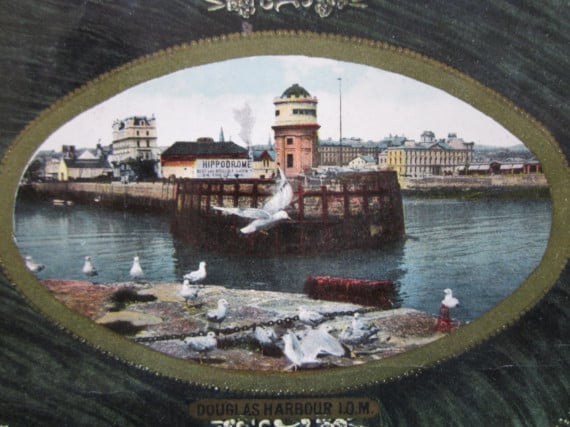
In the summer of 1802 a small company of acrobatic performers from the north of England requisitioned a rope yard on Douglas quay for six nights.

.jpeg?width=209&height=140&crop=209:145,smart&quality=75)
The setting was simple and their props were basic - ropes, wooden ladders, springboards and chairs. There they presented acts to the public that were thrilling yet unsophisticated - tumbling, rope walking and leaping over horses. But as entertainers they were revolutionary.
Although the concept of circus had been developing in England for 30 years or so it had been slow to reach the Isle of Man and the visit by Ireland and Woolford’s Circus brought Manx people something new and exciting.
It also marked the beginning of a century of entertainment that was to take the circus from a dirty rope yard to huge purpose-built hippodromes, furnished with air conditioning, coloured lights, water pumps and seating for 2,000 people.
From the very beginning of the century the Isle of Man offered ready audiences for these touring artistes.
Not only were Manx residents keen to attend the circus but, as increasing numbers of visitors arrived to holiday on the island, thousands of people would line up every night to witness a mesmerising kaleidoscope of twirling bodies, glittering costumes, and sweating horses, against a backdrop of chandeliers, sawdust and theatrical fantasy.
As the century evolved so did the circus. Acts became ever more complex and daring; the role of the horse, at first pivotal, gradually declined to be replaced by novelty turns; social attitudes, especially towards women and children, were highlighted by the circus and the Victorian idea of ’rational entertainment’ became crucial in circus publicity.
From the slack wire to the grand water spectacle, the Isle of Man played host to some of the most exciting and innovative performances ever seen in the circus ring. The tents and buildings they performed in were lavish and opulent, the acts were international and the proprietors did very well out of the Manx ’season’.
But who were these circus visitors who travelled across the Irish Sea to perform on the Isle of Man? Where did they come from and, after they left the island, where did they go?
And why, despite their frequent appearances here, have they left so little documentary evidence behind?
Historical records of the Isle of Man’s entertainment scene in the nineteenth century contain plenty of reference to ballrooms, pleasure grounds, theatres and music halls, yet mentions of the circus are curiously thin on the ground.
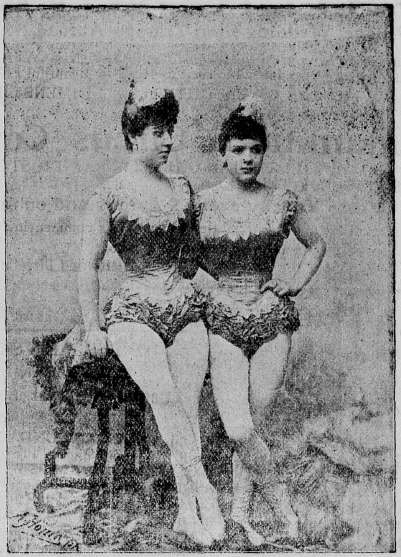
And despite the island’s groundswell of artists and photographers images of circus and circus folk in the nineteenth century are frustratingly rare.
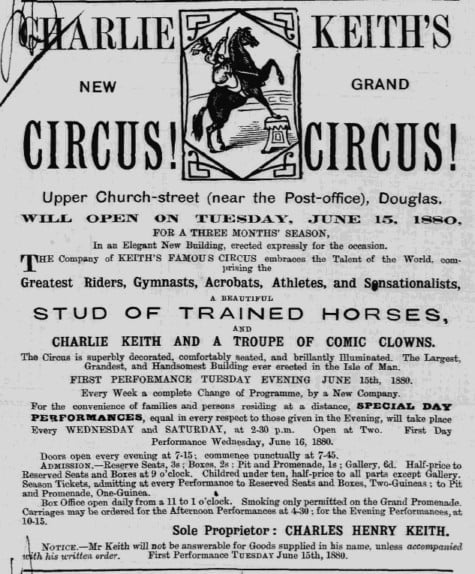
Local writer Sue King - the author of local history publications ’A Weaver’s Tale - A History of the Laxey Woollen Industry’ and ’A Little Book of Laxey’ - was initially drawn to the subject by a small advert in a nineteenth century Manx newspaper for a purpose-built auditorium in the heart of Douglas seating 2,000 people a night. However, subsequent searches revealed a dearth of local documentary and pictorial evidence to substantiate the idea.
Sue’s background in broadcasting and marketing - and a lifelong enjoyment of circus beginning with Circus Oz - prompted her to investigate further and now, largely thanks to Manx, British and American newspaper archives and the work of circus enthusiasts, she has pieced together a fascinating picture of a long-ignored subject.
In an illustrated lecture entitled ’Evenings of Wonder’ (an adaptation of an 1840s circus advertising slogan) Sue will explore the complex, fascinating and colourful world of circus on the island from 1802 to the late 1890s.
The lecture will look at where the circus companies set up and the constructions involved, the characters and acts featured, and the role of circus as the ’television’ of its day.
â?¢ The lecture takes place at 6pm on Wednesday, October 18 in the Main Hall at University College Isle of Man, Homefield Road, Douglas. All are welcome, and no booking is required. It will be recorded and made available online at a later date.
Further details about the lecture series, together with videos of last year’s lectures, can be found at http://catrionamackie.net/lectures/
Comments
This article has no comments yet. Be the first to leave a comment.