

Reduced grants and donations resulted in Manx Birdlife reporting a small loss of £9,000 last year.
Latest accounts show the charity - which has launched a £420,000 fundraiser for a new nature reserve in the north of the island - had a deficit of £9,144 in 2019, over-turning a surplus of £37,282 in 2018.
Total income last year was £52,139, well down from the £103,111 in 2018.
Expenditure meanwhile was only slightly down - to £61,283 from £65,829 the previous year.
.jpg?width=209&height=140&crop=209:145,smart&quality=75)
.jpeg?width=209&height=140&crop=209:145,smart&quality=75)
Grant income fell from £47,300 in 2018 to £27,600 in 2019 and donations dropped too, from £14,866 in 2018 to £9,316, the accounts to the end of March last year show.
Advisory income, too, slumped from £32,570 in 2018 to just £2,964 last year.
The charity accounts for 2018 had warned that the directors were aware that cash flow would be an issue towards the end of the 2018-19 financial year.
It noted: ’Expenditure will be modified and new sources of revenue will be sought to ensure the ongoing business of the organisation.
’Projects will be undertaken on the basis of funds being secured to underpin costs and related overheads.’
There was a small increase in staff costs last year, from £45,109 in 2018 to £46,484 in 2019.
Travel and subsistence, totalling £9,619 in 2018, was slashed to zero in 2019.
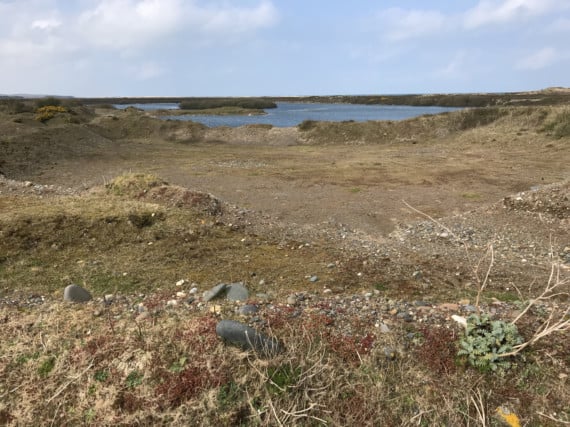
Manx Birdlife launched a £420,000 fundraising appeal last year to create a new nature reserve at the Point of Ayre.
With the potential to reach an ambitious 450 acres in size, the new reserve will boast a unique mix of dry and wetland habitats, providing a home to a diverse range of wildlife, including species found nowhere else in the island.
The charity’s managing director Neil Morris said it will provide refuge for winter visitors and be a way-marker and refuelling stop for tired spring and autumn migrants.
But before the plans can be brought to life, Manx Birdlife has to secure the funds to carry them out.
More than £420,000 is required to cover operational costs plus initial investment in habitats and paths, nestboxes for songbirds and predator-safe platforms and rafts for new nesting terns and rare small gulls.
Hazards left over from past industrial activities in the former quarry have to be removed and then hides constructed.
Comments
This article has no comments yet. Be the first to leave a comment.