

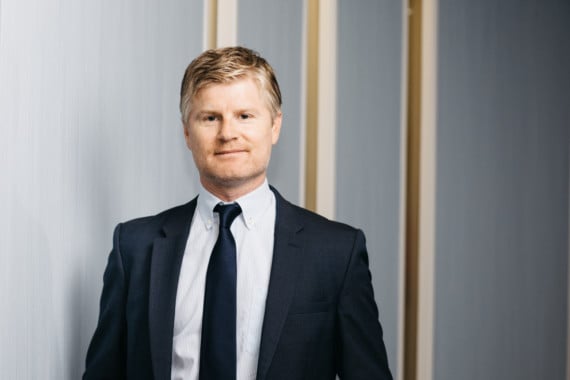
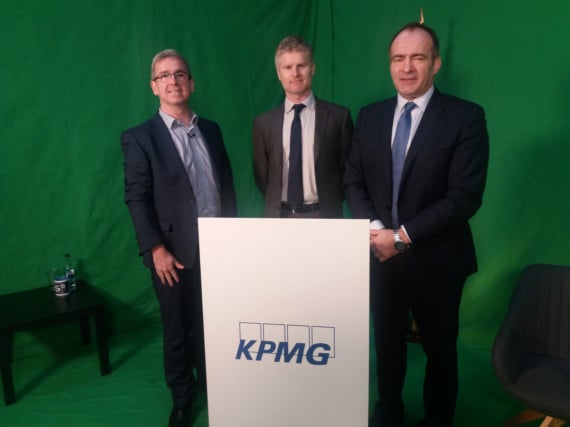
KPMG tax partner Robert Rotherham detects headwinds in the recent Budget speech by Alfred Cannan, the Treaury Minister
It’s been particularly windy recently with one storm after another buffeting the island, although I suppose it was not untypical weather for the time of the year.
Another fairly predictable series of headwinds have been felt in the Tynwald chamber and were reflected in this year’s Budget speech by the Treasury Minister, Alfred Cannan MHK.
These particular winds of change are coming from the direction of the OECD (Organisation for Economic Co-operation and Development) and the EU and are likely to affect the shape of the Isle of Man’s corporate tax system for years to come.




The OECD, through a continuation of its ambitious Base Erosion and Profit Shifting (BEPS) project, has recently turned its attention to wrestling with two related issues: those of ensuring that the international tax system is capable of fairly taxing the largest digital businesses, irrespective of the traditional prerequisites of physical presence, as well as the implementation of a minimum rate of corporate tax.
These so-called Pillars One and Two (respectively) of the reinvigorated ’BEPS 2.0’ initiative are, at least for now, firmly targeted at the very largest multinational corporate groups.
Both strands of work are hugely complex and reliant on the development of a multilateral consensus covering both the big picture principles and scope of the proposals as well as the more mundane but no less difficult matters of fine detail and administrative matters.
Consensus is arguably more likely to be achieved given the change of US administration but, nevertheless, it may still take a while yet for these proposals to become embedded in the fabric of the international tax system.
An arguably more tangible concern for the Isle of Man, together with other jurisdictions with no or low corporate tax rates, is the recent resolution passed by the European Parliament relating to the EU’s ’blacklisting’ process. Inclusion on the EU blacklist (or list of non-cooperative jurisdictions for tax purposes, to give it its official title) typically results in a combination of reputational damage for the jurisdiction in question as well as the possible imposition of tangible financial sanctions on entities doing business there and, as such, is used by the EU to further its political, economic and social agendas.
The resolution, passed on January 21, 2021, whilst non-binding in itself, essentially requires the EU Council and Commission to consider the automatic blacklisting of jurisdictions with a 0% corporate tax rate or with no taxes on companies’ profits as a stand-alone criterion (i.e. without regard to other factors) and is a clear sign of the way in which the international winds are blowing.
transparency
The resolution also outlines other proposals, some of which may be viewed positively from an external perspective, for example efforts to increase the transparency of the listing process and to ensure the EU applies the same criteria to its own members, not just to third countries.
This development is obviously something of which the Isle of Man Treasury and their Income Tax Division were keenly aware and, in his Budget speech, Mr Cannan made clear that it will be something taken into account in the preparation of the new Strategic Economic Framework which is expected to see the light of day later this year.
While it’s early days in the context of this particular matter, it is to be hoped that the Isle of Man, as it has with other similar perceived threats to its tax system (the Economic Substance rules being the most recent example), will work closely with other jurisdictions in considering any potential response. If so, and returning to the weather metaphor, there’s no reason to think this latest ’storm cloud’ can’t be navigated past in our time-honoured cooperative and constructive fashion.