
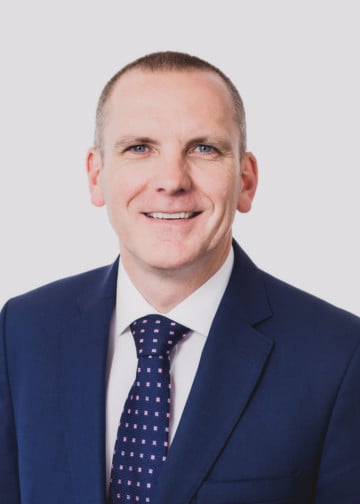
There is every expectation the island can emerge from the Covid-19 crisis being strong, resilient and with a more dynamic workforce, says a leading player in the finance sector.
Simon Scott, country head and managing director of Barclays Isle of Man, also believes the island is prepared to address the challenging economic situation head on.
In an exclusive interview with Business News, Mr Scott says the bank must try to ensure its staff have the ability to choose how they work in the future, from home or in the office.
And on a personal level he is looking forward to getting back to exercising in the gym and can’t wait to enjoy a pint of Manx bitter and a meal out at a pub or restaurant in the island.
.jpeg?width=209&height=140&crop=209:145,smart&quality=75)
.jpeg?width=209&height=140&crop=209:145,smart&quality=75)

We asked Mr Scott a series of questions.
Q: How do you think the island’s economy will fare in the future?
A: The economic situation will of course be challenging domestically and internationally but we’re prepared to address the challenges head on.
The Isle of Man has bounced back from setbacks in the past and therefore there is every expectation that we can emerge from this strong, resilient and with a more dynamic workforce.
We will be encouraging islanders to support local business where possible to help boost the economy in the island. This also applies to the third sector and Barclays has implemented a pound for pound scheme so employees can raise money for charities struggling with Barclays matching the amount raised.
Q: What happens next as businesses emerge from the lockdown? Will this signal a change in the way business is operated in the island - for instance do you think more people will work from home in the future?
A: We have already seen changes in client behaviour which I’m sure will only continue, such as preferring digital channels and paying by card.
The majority of our retail clients and other businesses now prefer to take card payments from customers, which will probably accelerate the digital economy and a cashless society. Based on people’s behaviour now, we’ll probably see a lot less cash.
In terms of working from home, Barclays has always encouraged dynamic working so colleagues can take more control of their week to work around childcare, home schooling or leisure activities. Colleague wellbeing has been of utmost importance, but no two people are the same.
We’ve seen colleagues thriving in their home environment and, on the other hand, colleagues who are really keen to get back into the office - it’s certainly interesting to see how we all have different preferences and we must try to ensure that they have the ability to choose how they work in future.
Q: Do you think enough has been done by banks to support businesses and indeed individuals needing financial help?
A: Banks have introduced a number of initiatives that have helped individuals and businesses. We have worked collectively with the government to make sure financial help schemes are available through different avenues in the island during and as we transition out of lockdown.
I’m proud to say that a lot of support has been implemented quickly and effectively to try and support islanders the best we can during the crisis.
Other ways that we’ve supported our own clients and customers include the introduction of three-month mortgage repayment holidays: We have provided breaks on 251 mortgages with a total mortgage value of £41m since the start of the pandemic. The scheme has also been extended for customers coming to the end of their mortgage payment holiday and are not in a position to resume payments again due to the coronavirus. Customers who have not previously taken a mortgage payment holiday will have until October 31 to apply.
Businesses can also apply for capital repayment holidays as well as the business interruption loan schemes.
Q: How well has the bank been supporting business and customers during the pandemic?
A: We have encouraged customers to use digital banking where possible as it has been easier and safer in the current environment. We have seen a significant increase of new registrations using the Barclays App during March and April.
People are also increasingly opting to self-serve in branches and changes to our cheque imaging process have been made to double the amount people can deposit (from £500 to £1,000) per cheque, up to four per week and done through the app.
For businesses we launched a mobile app specifically for small to medium enterprises (SMEs) to allow access to online banking. In essence we’ve kept the branches open for essential banking purposes and for those unable to bank remotely or digitally but encouraged people to use the app or online banking where possible.
The client service centre in the Isle of Man took steps to introduce home working within a short timescale and I am very pleased with the positive feedback received from clients on how we continue to operate under such different circumstances.
Importantly, and as we have done in other jurisdictions, we’ve helped to design and deliver the government’s Isle of Man Business Disruption Loan Guarantee Scheme.
We understand that exiting lockdown will be a challenging period and we’re fully prepared to support clients through the coming changes. We would encourage our clients to consider this scheme if they meet the criteria to help them get back on their feet.
In some circumstances, we waived charges and interest for personal clients and fees for small business clients where it was appropriate; we’ve looked at these on a case-by-case basis and seek to support our clients where possible.
Q: How have staff adapted to remote working? Have you yourself been working from home? Have you been holding Zoom meetings and what is the ratio of staff working from home, at the office or at the branches in the island?
A: Like many people I have been working from home - I have occasionally needed to be in the office. At the moment our only colleagues not primarily working from home are our branch colleagues in Ramsey, Castletown and Douglas as they are deemed key workers.
We’ve made some changes in branch as our colleagues’ safety is a priority - for example screens have been implemented and amendments made to layouts, queuing systems and opening times.
When working from home, we’ve been using video conferencing for catch ups with colleagues and clients on a regular basis.
We have introduced more frequent catch-ups to help colleagues keep in touch and have implemented ’virtual’ drinks from time to time so that colleagues across the Isle of Man can stay connected.
We have also seen our team get creative and set up ’virtual’ quizzes to raise money for local charities, including the Isle of Man Food Bank, which has been fantastic as we’re normally very involved in charitable initiatives within the community.
Q: What has the relationship been like between the government and the private sector during the crisis?
A: Communication has been vital to roll out the schemes to help businesses, both in the public and private sectors, and the disruption loan guarantee scheme is a prime example of this.
It’s a very new and different environment, that we’ve all found ourselves in, and seeing the private and public sectors coming together with understanding and commitment to the island has been encouraging. Being part of that has meant we have been able to construct an effective response, as an island community, to this crisis.
Q: Finally what are you personally looking forward to doing once things get back to normal? Is it being able to one day travel to a particular place abroad or eating out in one of the island’s restaurants or pubs?
A: I’d like to get back into exercising in the gym or in groups such as Parkrun once that’s back up and running (no pun intended).
I can’t wait to have a pint of Manx bitter and a meal out in a pub or restaurant in Douglas, and to see us all out and about supporting local businesses again.
I am also looking forward to being able to travel, particularly Spain, but our island community comes first.