
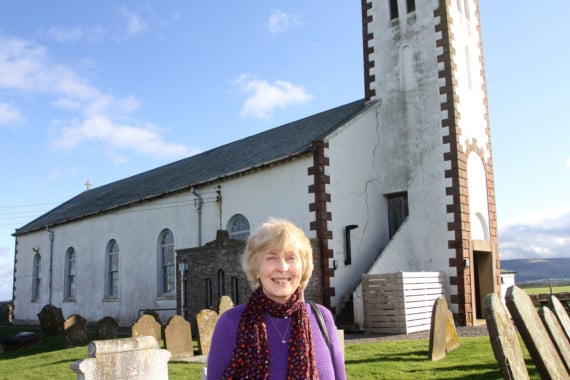
An exhibition celebrating 200 years of Jurby Church is coming to a close.
Documents and photographs recalling dramatic events and interesting details about Manx life over the building’s history are on show until Sunday (October 27).
Visitors from as far afield as America have viewed the exhibition arranged by Sandra Kerrison of The Friends of Jurby Church.
It goes into depth about the Manx contraband trade and certain individuals who played key roles in the church’s history.

.jpeg?width=209&height=140&crop=209:145,smart&quality=75)


In the exhibition, it explains that the island’s economy was weak during the late 16th and early 17th centuries.
The majority of the population was involved with farming and fishing.
’Insecurity of land tenure and the demand for tithes from the Lord of Mann and from the church caused much hardship’, Sandra said.
At that time the island had little to export and imported many necessities. As Britain was master of the seas, various trade and navigation acts were brought in to protect and encourage commerce.
This meant high customs duties on foreign goods - which led to smuggling. Therefore strong measures were brought in to stop this.
Sandra said: ’The current exhibition at the church tells how, in the early days of the Manx contraband trade, merchants would buy part of a cargo from ships coming from Europe, the East and West Indies, and very soon whole cargoes were being brought in.
’The port of Douglas developed in an ad hoc manner to accommodate the smuggling business. The winding, narrow streets helped the smugglers hide from the revenue men and conceal their contraband goods.’
The exhibition looks at island resident John Farrant, a maker and repairer of casks and barrels for brandy, rum and wine, who was involved in the legitimate trade but also in smuggling when the cargoes were sent back out to Britain.
His son William was a successful cooper, who married Katherine Wattleworth, granddaughter of the Archdeacon and Vicar General Samuel Wattleworth.
The family’s prosperity increased and they bought more houses and land. By the time their son Robert was born in 1753, the Farrant family had achieved enough status to be considered gentry.
’Robert Farrant was a lawyer, became High Bailiff of Peel and Captain of the Parish of Jurby where he farmed Ballamoar,’ she said.
’As a self-elected MHK he was also in conflict with John Murray, the Duke of Athol, who was constantly trying to get more compensation for the lost sovereignty of the island which his father had been forced to sell at the time of the Revestment. It was the appointments of the Duke’s Scottish family members to various offices in the island, in particular in making his nephew Bishop in 1814, which triggered the violent events of the 1820s.’
Another section of the display gives detail about the lives and homes of people within Jurby parish, using materials from the Manx National Heritage archives.
The church is open daily from 10am until 4pm.
Comments
This article has no comments yet. Be the first to leave a comment.