
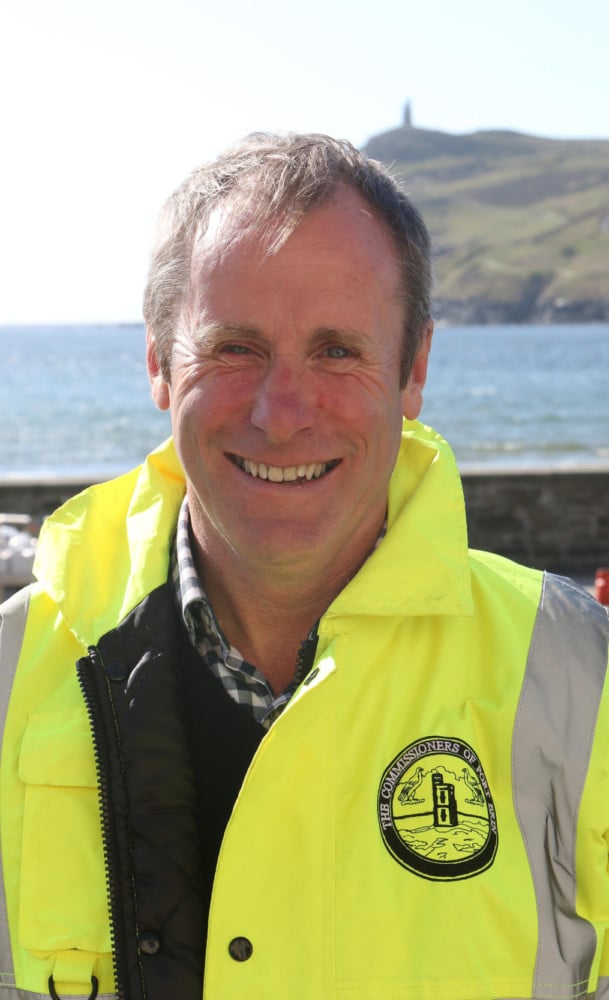
Port Erin Commissioners have voted to cut the village authority’s membership from nine to seven.
Phil Crellin, who has been a commissioner for 30 years, brought forward the proposal at a board meeting on Tuesday.
He says local authorities across the island need to change, and reduced membership is a step in the right direction.
Mr Crellin thinks smaller boards would lead to better election turnouts, and would increase the quality of debate on local issues.
.jpg?width=209&height=140&crop=209:145,smart&quality=75)

.jpeg?width=209&height=140&crop=209:145,smart&quality=75)

Five members voted to support the proposal, whilst three were against including chairman Nick Watterson.
The change still needs to be approved by Tynwald, and wouldn’t be implemented until the local authority general elections in 2020.
numbers
Douglas Council, Castletown Commissioners and Port St Mary Commissioners have also all committed to reductions in numbers.
Local democracy reporter Ewan Gawne asked Mr Crellin why he’s pushing for fewer commissioners in Port Erin.
He said: ’Local authorities on the Isle of Man are going to have to realise they need change.
’This is only a small change from nine commissioners to seven commissioners but it’s a change to start further change.’
He added: ’When I first started on the board over 30-odd years ago the first thing that came flying into my lap was a document called ’Time For Change’. There has been no change for the last 30 years.
’Other local authorities have realised they need to reduce their members - [Douglas] Corporation, Port St Mary, Castletown.
’It’s about time Port Erin realised it.’
He said it would reduce the cost of holding elections - and of having to readvertise for candidates when not enough people came forward.
’It’s a large expense to a small local authority,’ he said.
And he said it would lead to better quality debates.
’Hopefully it will increase the amount of debate that commissioners take part in.’
But he said wouldn’t want the number of commissioners in Port Erin to fall below seven: ’You can have interest groups take control. I want a vibrant local authority.’
Mr Watterson pointed out more members make it more democratic and the village has grown in population, meaning a larger board is more representative.
Objectors to the proposal were also concerned about the greater chance of meetings being cancelled with fewer members.
Comments
This article has no comments yet. Be the first to leave a comment.