
The presence of Japanese knotweed at a site in the west of the island could cause issues for a major planning application.
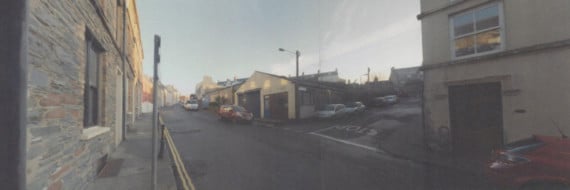
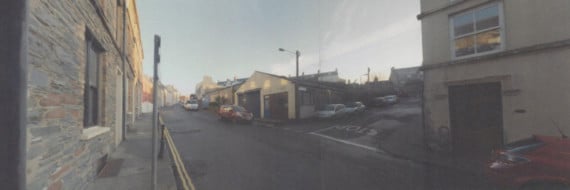
Application number 19/00203/B is part of the application for the Empire Garage sites on and near the sea front in Peel.
The applications for the three sites have provoked opposition from residents which saw them form a residents association at a meeting attended by more than 100 people, historical societies, the local commissioners and Tim Crookall MLC who had previously served as an MHK for the constituency.
The reasons for their objections have ranged from a lack of parking, the proposed plans not being in keeping with the local area, the height of the buildings affecting residents’ access to sunlight and the destruction of what some believe to be historically important structures.
.jpeg?width=209&height=140&crop=209:145,smart&quality=75)
.png?width=209&height=140&crop=209:145,smart&quality=75)
However, the new issue for the sites may prove more difficult to navigate than local opposition as the Department of Environment, Food and Agriculture has confirmed the presence of a highly invasive plant at the site on Stanley Road.
Japanese knotweed, which DEFA described as being the ’most invasive plant in Britain’, spreads incredibly easily and can have a devastating impact on the local wildlife.
Ecosystem policy officer Sophie Costain said in DEFA’s submission to planners: ’Japanese knotweed is a plant listed on schedule eight of the Wildlife Act 1990 and it is an offence to allow its spread in the wild. We therefore request its responsible removal and ask that steps are taken to ensure it is not spread as part of these works.
’I believe the knotweed is growing alongside the gateway to the site and therefore care should be taken to ensure there is no unintentional spread of this plant by people and machinery accessing the site. This would be an offence.’
DEFA’s concern over the knotweed comes from the way it spreads. Unlike other plants, it can spread from small fragments of an existing plant being cut and not properly destroyed.
The removal of the knotweed is also not easy. DEFA said in its advice on the plant that removal can take up to three years, depending on the method used.
Former Peel MHK, now MLC Tim Crookall, voiced his opposition to the plans in his submission to planners.
Mr Crookall’s opposition to the applications relates, in part, to the loss of ’historical buildings and very old sandstone walls’.
He added: ’To my knowledge, nowhere on any of the applications has there been any attempt made to redress the issue of taking away local sandstone.’
Mr Crookall also raised concerns over traffic in the area, a lack of parking and the potential loss of natural light.
â?¢ The other applications for the two seafront sites are numbered 19/00199/B and 19/00200/CON as well as 19/00201/B and 9/00202/CON.
Comments
This article has no comments yet. Be the first to leave a comment.