.JPG?width=94&height=94&crop=1:1,smart&quality=75)

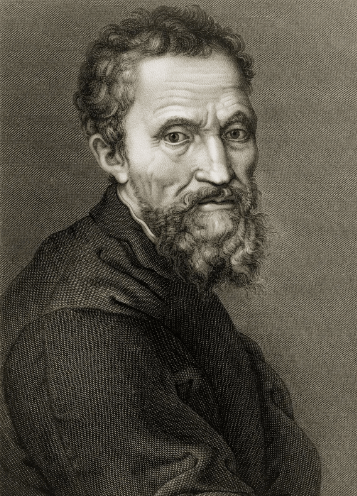
The life and work of one of the most influential artists of the Italian Renaissance will be explored at a lecture organised by the Isle of Man Art Society later this month.
Entitled ‘Michelangelo: The Artist Who Saw Beyond the Human Form’, the presentation will be delivered by Valerie Shrimplin, an honorary research associate at Gresham College, London, on Tuesday, October 20.
The lecture will take place in the Manx Museum Lecture Theatre from 11.30am until 12.30pm and will examine the artistic achievements, intellectual interests and enduring influence of Michelangelo.
Born in Italy in 1475, Michelangelo di Lodovico Buonarroti Simoni became a central figure of the ‘High Renaissance’, a period associated with renewed interest in classical art, scientific observation and the relationship between artistic practice and intellectual thought.
Although he is best known as a sculptor and painter, Michelangelo was also an architect, draughtsman and poet. His career spanned more than seven decades, during which he produced works that continue to attract international attention.
Among his most celebrated creations are the marble sculpture David, completed in 1504, and the Pietà, which depicts the Virgin Mary holding the body of Christ. Both demonstrate his technical command of marble and his ability to convey emotion and movement through the human figure.
Michelangelo also undertook major commissions for the Vatican. Between 1508 and 1512, he painted the ceiling of the Sistine Chapel, depicting scenes from the Book of Genesis. He subsequently returned to the chapel to paint The Last Judgment, completed in 1541.
His work on St Peter’s Basilica in Rome further demonstrated his architectural abilities, including his contribution to the design of the building’s iconic dome.
However, the lecture will look beyond these familiar masterpieces to consider the ideas that informed Michelangelo’s approach to art.
The human body was central to much of his work, but his interest extended beyond its physical appearance. Through anatomy, proportion, movement and expression, he sought to communicate ideas about beauty, emotion and spiritual significance.


The lecture will examine how his artistic vision was shaped by the cultural and intellectual environment of Renaissance Italy, as well as his pursuit of an ideal form that combined technical skill with deeper meaning.
Ms Shrimplin brings an academic background in Byzantine, Medieval and Renaissance art and architecture to the subject. Her particular interest in the influence of astronomy and cosmology on art will provide an additional perspective on the relationship between artistic expression and the ideas of the period.
The event is being organised by the Isle of Man Art Society, which brings together people with an interest in art and provides opportunities for audiences to engage with artistic subjects and learn more about artists, techniques and movements.
For those interested in the history of Western art, the presentation will offer an opportunity to consider Michelangelo’s work in a broader context and explore why his achievements continue to influence artists and captivate audiences more than 450 years after his death.
Admission to the lecture is free for Isle of Man Art Society members and students, while other guests will be charged £10.