

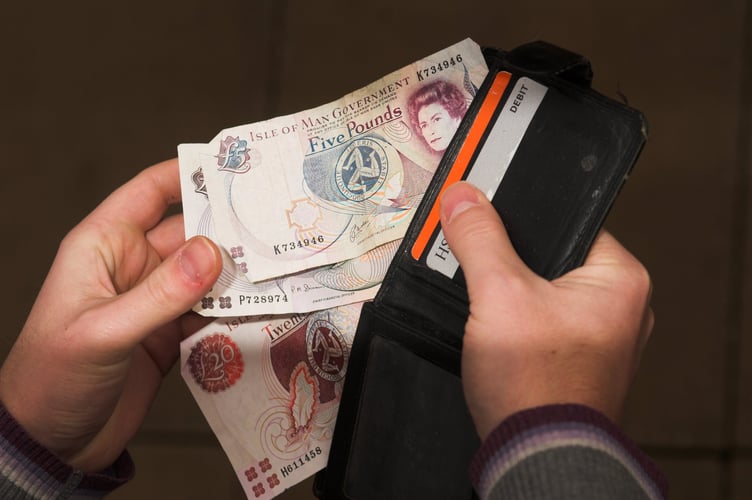
A further decline in the inflation rate has been reported by the government.
According to the latest inflation report, July saw a 1.1% decrease in inflation on the month prior.
This takes the annual inflation rate to 5.8% as measured by the Consumer Price Index.
Inflation measures the annual increase in the cost of living, expressed through the prices paid for goods and services by an average household.
.jpeg?width=209&height=140&crop=209:145,smart&quality=75)
.JPG?width=209&height=140&crop=209:145,smart&quality=75)
.jpeg?width=209&height=140&crop=209:145,smart&quality=75)
.jpeg?width=209&height=140&crop=209:145,smart&quality=75)
High inflation affects the affordability of goods and services for households.
In the past 12 months, the categories that saw the larges increases were electricity with an increased rate of 34.6%, pork at 34.6%, eggs at 32.1%, sugars and preservatives at 29.6%, biscuits and cakes at 27.5% and butter at 26.0%.
The categories with the largest percentage decrease in comparison to 12 months prior, were oils and other fuels which declined by 27.5%, petrol and oil at -21.9%,, gas at -12.2%, sea travel at -7.1%, women’s outerwear at -5.1% and indigestion tablets at -3.9%.
Food and non-alcoholic beverages had the highest inflation rate in the period with 15.5%, next was clothing and footwear with 13% and restaraunts and hotels had the third highest rate at 12.5%. The only category that decreased in the period was education with a rate of -9.9%.
In the past year, inflation rates peaked in July 2022, reaching 10.8%, the highest rate in more than 10 years.
In 2023, the month with the highest rate of inflation was March with 9.1%, which month-on-month has steadily fallen since.
The UK’s inflation rate for July was 6.8%.
You can find the island’s full inflation report on the government’s website.
Comments
This article has no comments yet. Be the first to leave a comment.