
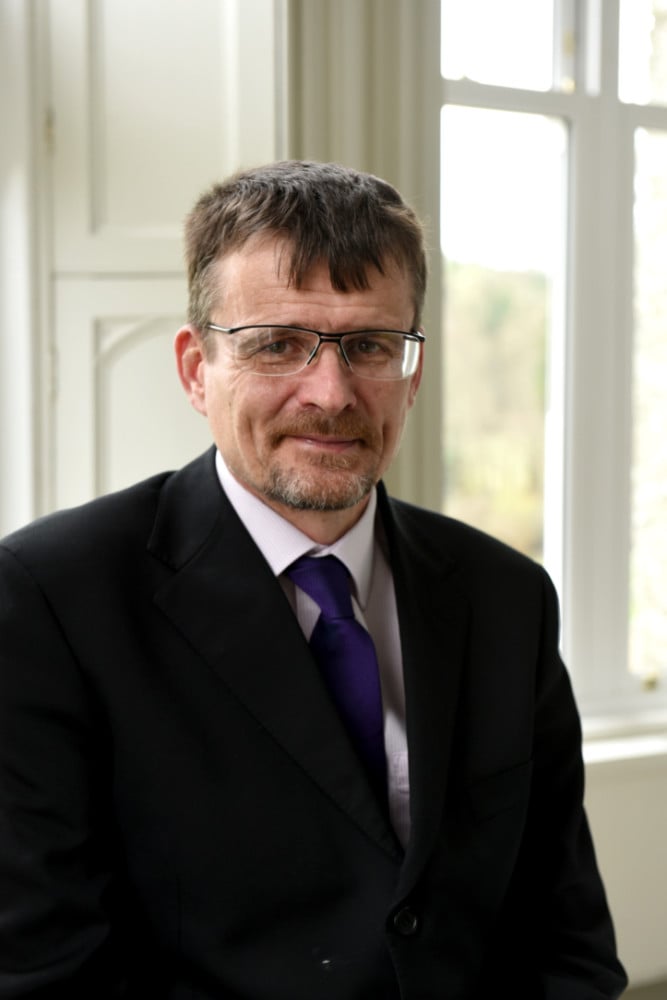
A former drug user says the current debate about decriminalising or legalisation is ’asking the wrong questions’.
Graham Clucas is the founder of the Quing charity, which focuses rehabilitation, re-integration, and recovery within the community.
Mr Clucas said: ’At the minute we’re trying to treat a symptom, rather than looking at the underlying causes.
’We need to look at the effect of trauma and how society works.’
.jpeg?width=209&height=140&crop=209:145,smart&quality=75)
.jpeg?width=209&height=140&crop=209:145,smart&quality=75)

He explained how just going from illegal one day to decriminalising the next day is potentially dangerous.
’If we’re going to decriminalise or legalise you have to prepare the community first, rather than pour more money into the treatment service.
’If you look at how in the USA, where there is an opioid crisis in some area, they are no longer investing in the traditional treatment services, they are investing in recovery.
’For me, if we just decriminalise, all we are doing is moving the burden of responsibility and cost from the Department of Home Affairs to the Department of Health and Social Care.’
The parts of the USA that have been hit hardest by the opioid crisis are former industrialised areas known as the ’rust belt’ where local economies collapsed.
Mr Clucas said this was because people deal with their physical pain, but also suffer mentally, which can lead to a ’lack of self and meaning’ and in turn lead to a reliance on illegal drugs.
His belief that the treatment model is wrong is based on his personal experience.
He said: ’I went through the current service provisions and they are trying to manage the harmful effects.
’We should consider the discovery model and treat the underlying trauma that leads to addiction.’ Mr Clucas also warned that decriminalising can lead to making things socially acceptable.
Pointing to how the island dealt with the legal high issues in the mid 2000s by banning them and taking away any social acceptability, he said: ’We should be making communities healthier, Quing’s method is building social capital to strengthen communities.
’It is the method used in countries such as Portugal and Holland where they focus on social capital rather than throwing money at treatment.
’For me, if we’re going to legalise medicinal cannabis, and the science is still out on that, we have to be careful, as it can often be a way to legalise it.
’If the DHSC is going to support legalisation, we need to be prepared to pay for extra treatments.’
Comments
This article has no comments yet. Be the first to leave a comment.