
Serious questions are being raised about the government’s reactions and decision making throughout the pandemic.
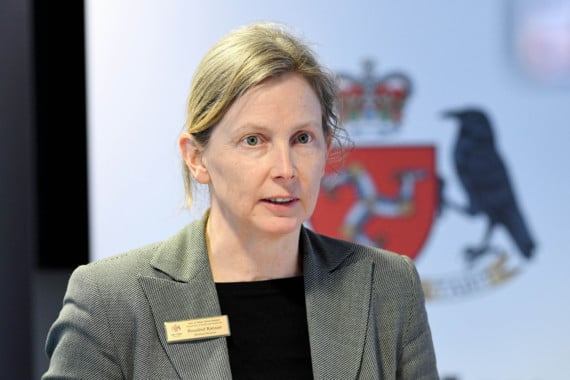
Evidence given to Tynwald’s Public Accounts Committee (PAC) in private from Dr Rosalind Ranson, medical director of the Department of Health and Social Care was made public for the first time this week.
It suggests that the Isle of Man Government was advised to close the borders 11 days earlier than it did.
The evidence session was held earlier this year, on May 26, as part of the committee’s inquiries into matters relating to the pandemic.

.jpeg?width=209&height=140&crop=209:145,smart&quality=75)
At its final meeting, the PAC agreed that it would publish the evidence, with Dr Ranson’s consent, along with a copy of the DHSC’s response.
Dr Ranson came to the island on January 27 last year, just two months before the first lockdown began.
She stated that by March 11: ’It became increasingly apparent, even though I had only been in post a few weeks, that the island was unprepared for what was the equivalent of this tsunami heading for our shores.’
She claims that on March 15 she wrote to the Chief Minister following a meeting, saying: ’The views were unanimous that urgent action is required at our borders in our community and across the island. We have made a list of those recommendations.
’Hours do matter when we are talking about virus transmission, and we were all extremely worried that we are not taking a firm enough stance.
’I realise that you have an incredibly difficult job, and I respect that you and your ministerial colleagues will do what is best for the Isle of Man. I am always happy to discuss and explain our position.’
The island did not enter lockdown until March 26 - 11 days later.
Amongst other revelations, the summary report evidences Dr Ranson’s criticism of Director of Public Health Dr Henrietta Ewart’s handling of the pandemic in its early stages.
Dr Ranson stated that the first coronavirus test on the island was carried out on February 4, after a person arrived in the island from China with symptoms.
The island had no testing capacity at the time, and so the swab was sent to England, where the result could take up to 72 hours to be recorded.
Public advice in the island at the time did not call for others in the household to isolate - something with which Dr Ranson disagreed, so she contacted Dr Ewart.
Dr Ranson said: ’We telephoned Dr Ewart, as the director of nursing and I took a contrary view to the advice that was being given to the patient.
cautious
’We suggested to Dr Ewart that we be more cautious and perhaps advise that the family self-isolate.
’Dr Ewart said that this was not public health advice and, importantly, not for her.
’In other words, there was no engagement with us as clinicians to discuss the relevant advice or best course of action.’
Lack of signage at the island’s ports early on in the pandemic was another issue raised by Dr Ranson.
She claims that she contacted Dr Ewart regarding the lack of warnings for travellers on February 8, but these warnings were ignored until at least March 11.
She said: ’On March 11, a senior consultant radiologist raised the issue of the lack of information announcements for travel questions at the border, as she was very alarmed that people were arriving from Italy - which by now was a Covid hotspot.
’So I have raised the issue in February and to my horror it is still an issue in March.’
The DHSC responded strongly to these and other accusations made by Dr Ranson in a statement issued in response to the PAC on July 28 this year.
It said: ’The DHSC is concerned that much of the information presented is inaccurate, has no evidence base, is unfounded and/or is unprofessional in terms of respecting colleagues and command and decision making structures.’
It went on to refute several of her claims.
The Courier approached the government for further comment.
The report containing the evidence will be laid before Tynwald in October.
Share your views about this story with readers of the Isle of Man Examiner’s letters page.
As you will appreciate, we need to be able to verify the identity of everyone whose letter we publish.
We need a name, home address and a phone number.
We don’t print phone numbers or full addresses and respect anonymity if the author requests it.
If you’d like to see your letter in print, please email it with those details to [email protected]