

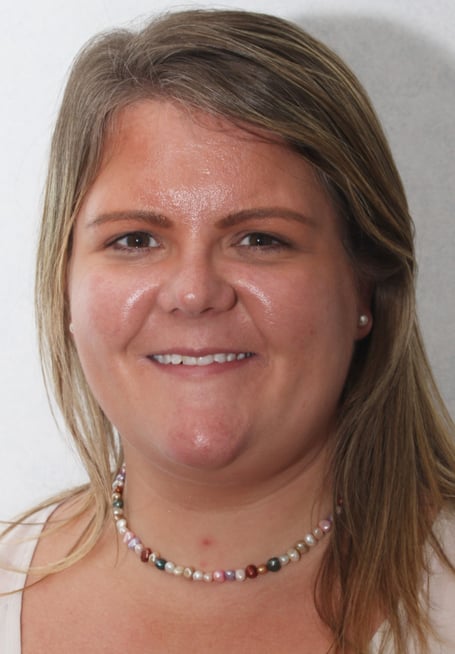
An MHK who is a registered nurse delivered a damning verdict on hospital management as proposed major reform of the Manx NHS was unanimously backed by Tynwald.
Douglas East MHK Clare Bettison said she had made a submission to Sir Jonathan Michael’s review but had initially requested it remain confidential for fear of losing future healthcare job prospects.
But she told the court she now wanted to go public: ’I’m a nurse. However, my experience has been one of a system that does not promote speaking out, one that does not encourage having or voicing an opinion.’
She said: ’I know of many others within our healthcare sector who share my concerns about speaking out. I changed my mind because if I don’t feel I can speak the truth, how can I expect those highly skilled and dedicated people in our nursing homes, hospitals, social care services and other healthcare facilities to stand up and be counted?’




In her submission she said she had a unique perspective on hospital services, having worked on the front line as a nurse for 10 years and having sat as a political member of DHSC for two and a half years.
’As a nurse I was struck by the feeling of frustration experienced by staff, and the feeling that raising concerns was often simply not an option,’ she said.
This led to the situation in 2012 where staff anonymously contacted MHKs with concerns over surgical care for bowel patients.
’Staff had attempted to raise these concerns within the hospital and staff had downed tools in theatre on one occasion, refusing to work with a surgeon who was deemed as dangerous,’ Miss Bettison told Tynwald.
’The surgeons involved have all either left or been removed, but often with full entitlement to pensions and having received payouts in some cases, further leading to reduced morale.’
She claimed there have been ’a number of nurses’ who have been promoted ’despite multiple concerns being raised over their ability’, and ’there is a perception that where there are concerns, people either get paid off or promoted’.
When concerns are raised the complainant is often deemed a troublemaker and this can make future employment problematic, she said.
’This also leads to people being unwilling to risk their own jobs in order to whistleblow.
’I observed staff who couldn’t leave due to children, husbands, mortgages etc being treated poorer than those who could up-sticks.
’I was personally told not to raise a concern relating to patient safety or I would be pursued for breaching adult safeguarding as I had identified a patient to the police.’
Miss Bettison said a patient had come in with 13 knives. They were unconscious and she was told to simply lock the knives in a medicine cabinet to return them to the patient on discharge. ’Would we do the same with guns?’ she asked.
She claimed she attempted to have a policy on this adopted formally but was told to stop pursuing it or she would be disciplined.
’Management continue to advise me that they operate an open door policy but staff don’t talk to them - they are not confident that there won’t be ramifications,’ she said.
’Lately there’s been a door lock placed on the management suite, further excluding staff from the management.’
In her current role she put forward staff concerns directly raised with her since her election. ’I have often been met with the message that if staff won’t raise concerns directly and personally they simply won’t be actioned,’ she claimed.
concerns
Miss Bettison said department members raised concerns over the endoscopy fiasco when 157 patients were potentially affected by delays to follow-up appointments. One patient had waited since 2014 but died in 2017 before he got an appointment.
Information provided by the department was ’inconsistent’ and there ’did not appear to be enough sense of urgency’, the MHK said.
She was contacted by an individual who raised serious concerns over the handling of endoscopy waiting lists, who had ’raised complaint after complaint to multiple senior colleagues’ in the department.
Miss Bettison said it quickly became obvious after her appointment as member of DHSC that the manner in which the department’s budget operates is ’unhelpful’.
’A 5% savings target was put across the department. To me this was irrational as only hospitals and mental health had overspent. It’s easier to save money in areas like adult social care but this only increases the spending in hospitals.’
Ultimately she resigned over this. ’At present we are reducing our bed capacity at the same time as reducing our spend in community services. I believe we are heading for a perfect storm,’ she said.
Comments
This article has no comments yet. Be the first to leave a comment.