
Health bosses have explained why the Isle of Man is taking a different approach to the UK in administering second Covid-19 vaccinations.
In the UK, policy changed. Scientists and medics there decided that the 21- and 28-day interval for the Pfizer and Oxford vaccines respectively could safely be extended to up to 12 weeks.
The UK changed tack as the number of cases rocketed, putting severe pressure on hospitals, and deaths.
The low level of infection in the Isle of Man means that we have been able to stick with the original advice from the drugs firms.
.jpeg?width=209&height=140&crop=209:145,smart&quality=75)
.jpeg?width=209&height=140&crop=209:145,smart&quality=75)

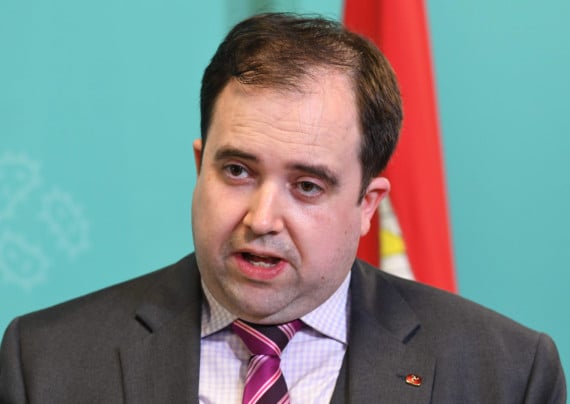
Health Minister David Ashford said: ’The recommendation to maintain the 21- and 28-day intervals between jabs is the best solution for the Isle of Man.
’There is no clinical reason for us to diverge from that position. It is true we could vaccinate a greater number of people in a shorter period of time if we changed tack, but our circumstances are not the same as those in the UK, where the gravity of the situation requires getting vaccine into the arms of as many people as possible, as quickly as possible.
’The two doses offer fuller protection and our focus is on delivering them.’
The island’s vaccination programme began on January 4, with health and care workers given their first dose of the Pfizer vaccine at the Newlands hub at Noble’s Hospital, to include the over-80s in subsequent weeks. Vaccination rollout expanded further with the Oxford/AstraZeneca vaccine on January 18 administered in the community with care home residents.
The second dose of the Pfizer vaccine is planned after a 21-day interval, and after 28 days for the Oxford jab.
These intervals were set out when the medicines regulator authorised the vaccines’ use.
The government here says the option to extend the intervals between first and second jabs was ’comprehensively reviewed and discussed’ by the Department of Health and Social Care executive leadership team, taking into account the views of senior island clinicians and those involved in the vaccination board.
A wide range of factors was considered, with a final recommendation based on the current low prevalence of Covid-19 in the Isle of Man, the current risk of transmission, the continuing debate worldwide about the extent of protection one dose of either vaccine provides, and the timing of vaccination supply.
A recommendation to retain the status quo was made by DHSC executive leadership team to Mr Ashford and his four political departmental members who have unanimously approved the policy position. That decision has since been endorsed by the Council of Ministers.
Mr Ashford said: ’I acknowledge there are different views on this here as there are in the UK and beyond, and we will continue to keep the matter under close review - and we can of course reconsider our position if the circumstances change and/or further clinical evidence is received. We believe the decision to maintain the current intervals between jabs is the right one for our island.’
Current rollout plans based on the delivery schedule of vaccine from the UK should see care home residents and staff, the over-80s and health and care staff having been vaccinated with their first dose by end of February, with the remaining vulnerable groups receiving their first vaccination by May.