
Are you a lark or an owl?
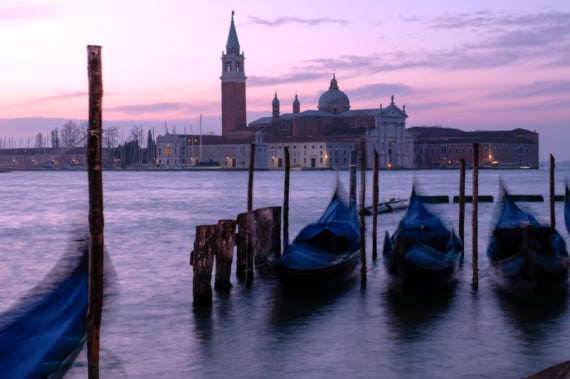
Do you get up early or go to bed late? Either way, there are two periods in the day ideally suited to photographing some great images - known to photographers as the ’Blue Hour’.
In a recent article, I wrote about the ’Golden Hour’ and the wonderful warm glow of the light around dawn and shortly thereafter, and in the time just before sunset.
But there is also the 30minutes or so prior to the dawn, together with twilight, when there is some light in the sky (just starting or just finishing) but the tones are distinctly cooler - hence the so-called ’blue hour’.

.jpeg?width=209&height=140&crop=209:145,smart&quality=75)
Be aware that it is unlikely to last as long as an hour, indeed it may only be a few minutes - so preparation, planning and being ready to take your opportunities are essential.
Photography during these times also allows an emotional spin to your images difficult to capture at other times of the day - the darker tones and dominant blue colours will give opportunity, should you wish, to show coolness and calm (maybe even coldness), certainly sadness and melancholy - it all depends on your vision of the final image and the story you are trying to tellâ?¦.
Your subject can be almost anything that draws your attention and you think would make a good composition - architecture, funfairs, landscapes, seascapes, whatever - but your planning must consider the direction of any lighting, which is very possibly going to include artificial lighting from street lamps or buildings.
And because of the likely low lighting conditions, shooting times will be extended, and longer than possible when hand holding the camera - so to achieve a really sharp image and the correct exposure, your technique and equipment should ideally include:
* a tripod
* use of a shutter release cable or the self-timer
* use of the manual settings on your camera, not the "auto" mode. The auto mode is likely to give an incorrect exposure, either over-exposing because of the deep shadows in low light conditions, or under-exposing because of the brightness with strong artificial light.
* camera settings should include a narrow aperture - f8-16 suggested - to maximise your depth of field and to ensure sharpness throughout the image
* do shoot in RAW if available on your camera - this format obtains the maximum amount of detail in your shots and allows the greatest manipulation for the final image.
* and be alert for rapidly changing lighting conditions and the need to adjust the exposure.
Finally, the dominance of dark shadows is a warning to be careful with the composition, in particular with regard to the lighting which in photographic terms will be difficult.
The eye sees a much wider dynamic range than your camera sensor - you will see detail in a range of both lit areas and deep shadows that your camera will be incapable of capturing.
So timing is vital in balancing the lighting in your composition, with a foreground perhaps lit with artificial lighting and a sky darkening (or lightening) with some natural light - but get it right, and you have the possibility of some superb images to grace your walls or maybe even a gallery.
The images accompanying these article are all by members of the Isle of Man Photographic Society who will always give a warm welcome to new members and be happy to share their experiences, and give advice to help develop your skills. Have a look at our website - www.iomps.com or our Facebook page for lots of ideas to stimulate your interest.
Chris Blyth
Comments
This article has no comments yet. Be the first to leave a comment.