
In the absence of a regular weekly report of our meetings and in the current unusual circumstances, the Isle of Man Photographic Society is taking the opportunity to provide some insight into the art of photography and some techniques and guidelines you may find interesting and helpful.
Light and its use is the single most important component when considering a photograph.
And portraiture - of family and friends - is obviously a very popular activity, and important as a record of our lives and relationships.
So here are some thoughts on capturing the best possible portrait images without incurring the high cost of expensive lighting equipment - and without leaving the house!


.jpeg?width=209&height=140&crop=209:145,smart&quality=75)
A digital camera with a standard ’kit’ lens or mobile phone
is all that is necessary as a starter.
A lens typically with a focal length of between 50mm and 80mm is perfect for a portrait, and will give a perspective very similar to the human eye.
A wide-angle lens of, say 20mm to 35mm, however will tend to distort perspective and elongate limbs and features - which may sometimes be the intention, but not usually!
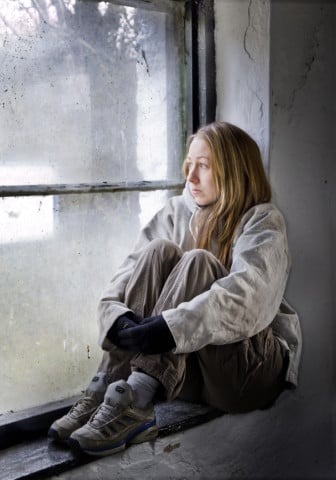
Window light is an excellent, free source of light which is adaptable to various lighting arrangements and generally considered to be flattering to the subject.
Windows however are fixed - and the light given by a window will vary depending on its size, the time of day, the weather and its aspect in regard to the sun - so moving your subject and experimenting with their location in relation to the window is key.
Bear in mind that natural daylight varies - bright sunlight is very directional and casts a strong shadow whilst an overcast sky with lots of clouds tends to diffuse the light and soften the features.
Moving away from the window, for example, will tend to reduce the strength of the light, while net curtains will provide a useful way of diffusing and softening it.
Positioning yourself and your subject is fundamental to the end result. Light falling straight on to the face tends to flatten the features, whilst shooting with the light behind the subject tends to give a silhouette and perhaps require a boost to the lighting with use of flash.
Light from the side has the advantage of adding shadows to the face - the shadows from the nose, eyebrows and chin in particular provide depth and modelling to the features which gives impact, as with our attached image.
A male or female subject and their age may also be relevant. The features of a male subject will be accentuated by strong directional lighting and add ’character’, while many female subjects might prefer a softer, less dramatic result.
Have a look at our website - www.iomps.com - for further information and the images in our members’ galleries for more inspiration.
Chris Blyth
Comments
This article has no comments yet. Be the first to leave a comment.