
After a very dry April and an unseasonably wet May, June hasn’t exactly been ’flaming’, but we have had some hot days, and so here are some timely reminders of what we should be doing to keep our pets safe when it’s hot.
Dogs in cars - we received several calls last week from members of the public who were concerned about dogs being left in vehicles.
Even when a vehicle is parked in shade, with its windows open and a blanket over the windscreen, the temperature inside is likely to cause a dog discomfort, or worse - it could cause heatstroke and death.
When exercising your dog try to avoid the hottest part of the day, and don’t play with them outside when the temperatures are high.

.jpeg?width=209&height=140&crop=209:145,smart&quality=75)

.jpeg?width=209&height=140&crop=209:145,smart&quality=75)
Many dogs just don’t know when to stop and will continue to play with a ball despite over-heating.
And the problem is exacerbated if the dog is exercised on concrete or tarmac because these surfaces retain the heat.
A dip in a paddling pool will help to keep your dog cool, but please never use ice or icy water to reduce their temperature - the shock could be fatal.
Cats are generally less energetic in warm weather and they are adept at finding shady places to rest.
However, those with white noses and ears are at risk of getting those areas sunburnt, and so they should have a high-factor, pet-safe sunscreen applied.
If you are a rabbit owner please be extra vigilant at the moment and check your pet’s fur at least twice a day, particularly at its rear end (under the tail, which can be hidden from view).
Flystrike is a huge problem in the summer months - flies are attracted to moist and dirty areas to lay their eggs which rapidly hatch into maggots (literally - overnight).
There are licenced products that can be applied to a rabbit’s fur to prevent fly attraction, but good husbandry and hygiene will minimise the problem.
And what about wildlife?
We have had some sick hedgehogs brought to us over the last few days with a variety of problems, including tick infestations.
Ticks know no boundaries and will happily attach themselves to any mammal or bird, and so check your pets regularly.
Ticks can kill smaller animals or, at least, severely compromise their host’s immune system.
A couple of the hedgehogs that we saw last week were dehydrated and so please remember to place shallow bowls of fresh water in your garden for hogs, and any other visiting creatures, to drink from.
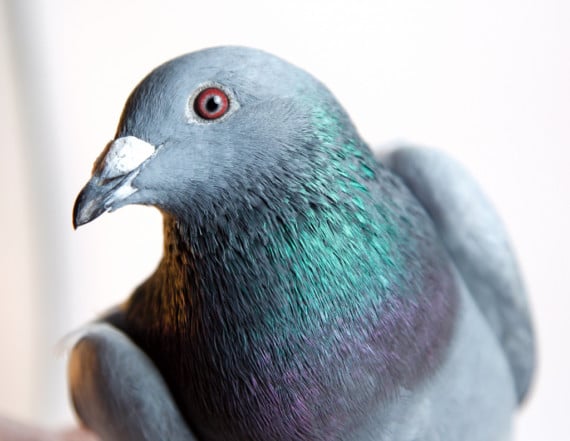
And on the subject of visitors, we have received several calls recently about racing pigeons that have come to rest in people’s gardens.
We think they all relate to a race that started in Scotland and that the birds are navigating their way back home to Ireland.
If the bird is uninjured our advice is always to give it some fresh water and seed, or crushed cornflakes, and allow it to have a ’pit stop’ for a few days.
The rejuvenated bird will then carry on with its journey home.
One unfortunate racing pigeon was brought into us last week after it had an ’encounter’ with a cat, but the wound on its wing was only superficial and, after a few days’ rest, it was released on the west coast.
We were able to contact the bird’s owner in Ireland directly because his telephone number was on the bird’s leg ring, and he will let us know when the bird arrives homes safely.
Sometimes racing pigeons only have codes on their rings in which case, if you are concerned about the bird, you will need to contact the Royal Pigeon Racing Association (https://www.rpra.org/stray-reporting/) and seek their help.
It can also be contacted on 01452 713529.
Comments
This article has no comments yet. Be the first to leave a comment.