
We all dread our pets becoming ill, particularly when there is no obvious cause for their illness.
How many times have we said ’I wish he/she could talk and tell us what’s wrong’ when our precious companion has been in obvious discomfort or is clearly under the weather?
A trip to the vet for an expert diagnosis is usually the next step, and we are blessed on the island with a good network of veterinary practices that operate an on-call system for out-of-hours emergencies.
Deciding upon whether to contact your vet will be a decision you make based on your pet’s symptoms - uncharacteristic behaviour, lethargy, excess salivation, disinterest in food, etc.
.jpeg?width=209&height=140&crop=209:145,smart&quality=75)



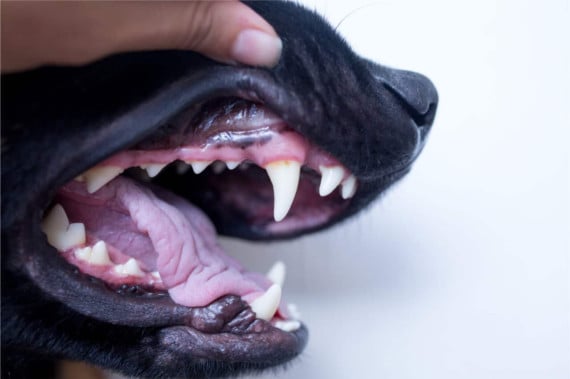
Another excellent way to check your pet’s health (if it’s a mammal) is to assess the colour of their mucous membrane, and the most accessible place to do this is by looking inside the mouth.
If it is safe to do so, gently peel back your pet’s top lip and assess the colour of their gums which should be a healthy pink.
If the skin is a vivid salmon pink colour this is indicative of poisoning - and if it is white this indicates that the animal is in severe shock or has suffered significant blood loss.
A blue skin colour often means that the animal is struggling to breathe and has respiratory problems.
Yellow gums can be a sign of liver failure and gums with dark coloured splotches can be an indication of a blood clotting disorder.
It is advisable to check your healthy pet’s gum colour on a regular basis so that you know what is normal, and if there is any natural pigmentation in the skin, and then you can pinpoint an abnormality more quickly.
The gums are also an excellent way to check for dehydration, and a healthy pet should have moist gums at all times.
Another way to check for dehydration is to gently pinch your pet’s skin - if the pinched skin flattens back into its normal shape as soon as you let go, then your pet is probably fine.
If the pinch takes time to flatten then your pet is dehydrated.
The cause could be a stomach upset, or something more serious, and so it’s best to seek veterinary advice.
If you’re worried your pet may have come into contact with something poisonous a call to the Animal Poison Line, run by the Veterinary Poisons Information Service (VPIS), will either put your mind at rest or advise you to take remedial action.
The service runs 24 hours a day and there is a charge of £30 to use it, but it is staffed by poisons specialists (vets, veterinary nurses, toxicologists and scientists) who have experience of thousands of toxic substances in all animals and cover everything from human drugs, household and garden products, plants, agricultural chemicals to venomous bites and stings.
Three out of four callers to the Animal Poison Line have been able to stay at home after being reassured by the experts that their pets’ symptoms are not serious - saving time and stress and ensuring that the pet only receives treatment if it is necessary.
The Animal Poison Line telephone number - 01202 509000 - is worth keeping to-hand or logged into your mobile phone. It could save your pet’s life.
The most common signs of poisoning are one or more of the following: upset stomach, vomiting, excessive drooling, watery/yellowish eyes, lethargy and seizures (as well as the salmon pink gums mentioned above).
And remember to keep a sample of what you think your pet has ingested or inhaled because this may help with a diagnosis.
Fungi are a potential poisoning hazard, and this has been a good year for mushrooms and toadstools.
Many are edible but play it safe and remove any that may be growing in your garden, particularly if you have an inquisitive or greedy dog that will eat anything it comes across.
Comments
This article has no comments yet. Be the first to leave a comment.