
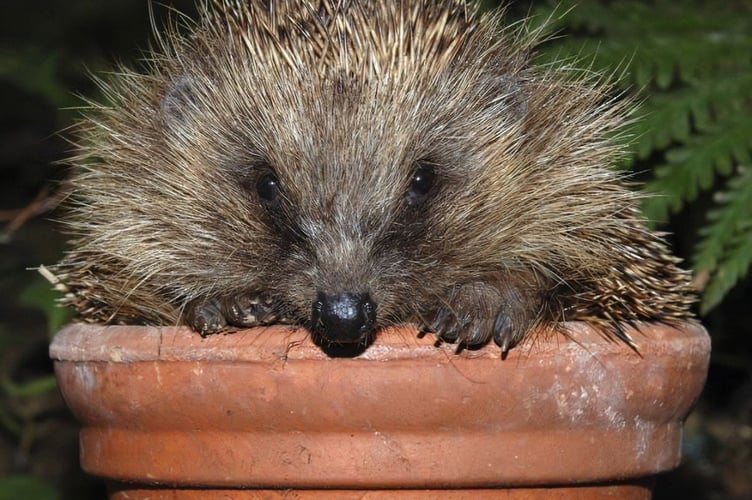
Spring is here and hedgehogs are starting to wake from hibernation.
They will be sleepy and very thirsty and will head for the nearest water.
Although good swimmers, many die in ponds or water troughs because there is no way out for them.
By putting a sloping edge, a ramp or even some green plastic-coated wire netting down into (not across) the pond or trough you can provide an escape route for them to use should they fall in.
.jpeg?width=209&height=140&crop=209:145,smart&quality=75)


.jpeg?width=209&height=140&crop=209:145,smart&quality=75)
Also, if the pond or trough is kept topped up hedgehogs might be less likely to topple in.
And if you are planning to make a new pond consider having a sloping side to make it easy for hedgehogs and other animals and birds to reach the water safely.
It is not only hedgehogs that are out and about but gardeners as well.
While the hedgehog is the gardener’s friend because their diet comprises a multitude of garden pests such as slugs, gardeners are not always hedgehog-friendly.
Many of the jobs we do in our gardens can affect and even harm the hedgehogs. So please take care when doing a spring clean of garden debris, pulling down sheds (a favourite nesting site) and strimming long grass and brambles.
If you’re a gardener there are several things you can do to actively help hedgehogs and other wildlife:
*Start to make a compost heap, which not only reduces the amount of waste you produce, but it will naturally enrich your soil when you use it, and provide a great habitat for worms, woodlice and many other insects.
You may also be lucky enough to attract frogs to live in it, and so please be careful when using a garden fork to spade to dig into it.
Another cautionary note is to only use raw food rather than anything that’s cooked because this will attract rats.
The National Trust has a step-by-step guide to making a perfect compost heap on its website https://www.nationaltrust.org.uk/mottisfont/features/make-your-own-compost
*Don’t use slug pellets, which will poison hedgehogs.
*We’ve mentioned ‘hedgehog highways’ on several occasions in these articles, and they really are an important way to help these wonderful mammals survive.
Why not see how many holes or gaps you can create in your garden fencing which will enable your local hedgehogs to move about between gardens at night as they forage for food?
The highways may also lessen the need for the hedgehogs to cross over busy roads.
Hedgehogs are not territorial, although they tend to have home patches.
A female’s home patch will be just big enough to support her and her hoglets and a male’s patch will be much larger in the breeding season as they wander long distances searching for females.
Once the autumn comes the males’ home patches will become smaller as they concentrate on preparing for hibernation.
So if you see a hedgehog on a regular basis in the forthcoming breeding season it is more likely to be a female.
If you are able to leave water and some meaty cat or dog food out each night this will encourage any females to stay around and eat your garden pests too!
However, males will have other priorities and will move greater distances as they are more nomadic in the breeding season.
As the grass starts to grow again, don’t rush to resurrect your lawnmower from the shed, and think about what areas of your lawn you can leave and ‘re-wild’.
Long grass will enable wildflowers, such as daisies and white clover, to flower in profusion and attract a variety of insects which will lead to enhanced pollination.
And don’t be too hard on your weeds – buttercups and dandelions flower for a long time no matter what the weather, and they provide food for insects, including butterflies, when other sources may be scarce.
Comments
This article has no comments yet. Be the first to leave a comment.