
Reading this article could save your pet’s life - literally.
If you are worried about the health of your pet you should always seek veterinary advice, and ideally see or speak to your vet in person.
But if this is not immediately possible and you’re worried your pet may have come into contact with something poisonous a call to the Animal Poison Line, run by the Veterinary Poisons Information Service (VPIS), will either put your mind at rest or advise you to take remedial action.
The service runs 24 hours a day and there is a charge of £30 to use it, but it is staffed by poisons specialists (vets, veterinary nurses, toxicologists and scientists) who have experience of thousands of toxic substances in all animals and cover everything from human drugs, household and garden products, plants, agricultural chemicals to venomous bites and stings.
-(2).jpeg?width=209&height=140&crop=209:145,smart&quality=75)
.jpeg?width=209&height=140&crop=209:145,smart&quality=75)

Three out of four callers to the Animal Poison Line have been able to stay at home after being reassured by the experts that their pets’ symptoms are not serious - saving time and stress and ensuring that the pet only receives treatment if it is necessary.
If the animal does require treatment and the vet subsequently calls the professional line (the VPIS) for detailed treatment advice, then the £30 fee is refunded to the owner.
The Animal Poison Line telephone number - 01202 509000 - is worth keeping to-hand or logged into your mobile phone.
The most common signs of poisoning are an animal with one or more of the following: upset stomach, vomiting, excessive drooling, watery/yellowish eyes, lethargy and seizures. And remember to keep a sample of what you think your pet has ingested or inhaled because this may help with a diagnosis.
Fungi are a potential poisoning hazard, and the recent wet and humid weather has seen mushrooms and toadstools springing up in our gardens and woodlands.
There are more than 4,000 species of fungi in the UK and the vast majority are not poisonous, but some definitely are and the most hazardous have suitably sinister names such as destroying angel, funeral bell and death cap.
Play it safe and remove any mushrooms that may be growing in your garden, particularly if you have a dog that will eat anything it comes across (most Labrador owners will have first-hand experience of this).
We’re not sure if a Labrador will be one of the winners this Sunday, September 22, in our annual fun dog show
Dogs of all shapes, sizes and breeds are welcome, with entries on the day costing just £1.00 per class. The classes are prettiest eyes, best puppy, waggiest tail, golden oldie, dashing male, lovely lady, and best look-a-like, and there will be rosettes and prizes for first, second and third places, with light refreshments available for both dogs and their owners
The show opens for registrations in our play barn at Ard Jerkyll at 12.45pm, and the first class will commence at 1.30pm.
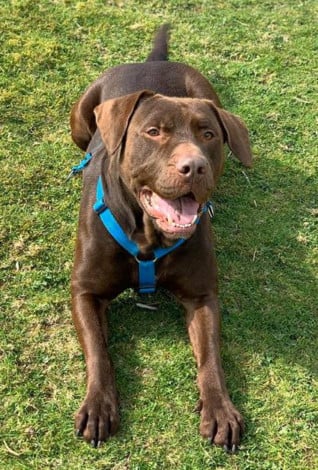
Blue, the Labrador (possibly Shar-Pei) cross, hasn’t found his ’forever home’ yet but we’re sure it’s only a matter of time before his new owner finds him.
He’s a super dog - playful, affectionate and intelligent.
He’s not too good around other dogs or animals and we think this is putting off potential adopters, but with time, patience and consistent training he will undoubtedly become more sociable.
He’s only four and so he’s still learning and he simply needs a new owner who wants to share his journey, with ongoing support from the kennels team.
Comments
This article has no comments yet. Be the first to leave a comment.