
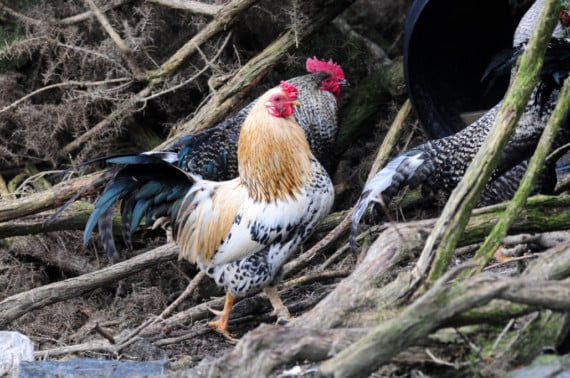
One of the side effects of the current Covid-19 crisis is a resurgence in domestic hen keeping, or at least a renewed interest in it, largely due to concerns over food supplies in our shops which, thankfully, seem to be unfounded.
Keeping hens is rewarding and entertaining for adults and children alike, and well looked after birds will produce a regular supply of flavour-packed, fresh eggs.
But having a small flock in your back garden is not as straight forward as it may seem.
The birds need daily care and expert husbandry, and they can’t be left to fend for themselves - not even for a couple of days.




If you’re seriously thinking about getting some hens, please make sure you’ll have the time and energy in a post-coronavirus world to care for them properly.
The British Hen Welfare Trust has an excellent website that gives lots of advice to anyone who may be considering hen keeping.
The hen coop can be a purpose-built shelter or a re-purposed garden shed with added nest boxes and perches.
It needs to be suitably sized, with a large outdoor area that is fenced off and secure.
Hens will destroy neat flower beds and lawns with their digging, scratching and mud bathing, and so be prepared.
They need a fresh, daily supply of specialist poultry grain, alongside clean water, to supplement the seeds and insects that they find in the garden.
The most important part of their daily regime is their bedtime, when they need to be locked safely in their coop to protect them from predators.
On the Isle of Man the biggest threat to hens are pole cats, whereas our domestic cats pose much less of a risk.
The coop requires daily ’poo-picking’, and a thorough deep clean every couple of weeks to deter red mites and infectious diseases such as salmonella.
You will be surprised just how much poo hens can produce!
Observing your flock on a daily basis is hugely enjoyable because hens are so active and engaging, but it’s also important because you can spot any illness in the flock or irregular behaviour.
The pecking order sometime means that birds at the bottom are bullied and feather-pecked (or worse), and kept away from food.
The bully needs to be removed to a separate area for a period of time in the hope that the pecking order ’re-sets’ itself.
If your flock contains a cockerel, please be sure to collect all the eggs laid by the hens so that fertile ones don’t lead to chicks - cute and fluffy they may be, but 50% will be boys.
Unwanted cockerels are a huge issue on the island and the ManxSPCA simply can’t find new homes for them.
Many are simply dumped by unscrupulous owners and left to fend for themselves.
If you have problem cockerels visiting your garden, our best advice is to deter them humanely.
Sprinkling pepper on the soil and leaving orange peel in the areas they seem to favour may help.
Purchasing organic, free-range eggs from a shop may simply be the best and easiest option.
But did you know that eating white eggs is also a way of ensuring that the birds’ welfare is prioritised?
This is because white eggs are generally produced by white feathered hens, and brown eggs by brown feathered ones and white birds are usually more docile.
This means that there is less need to trim their beaks because they are not as prone to pecking at each other.
Beak trimming is legal, and is done with an infrared laser beam just after a chick is born, but it is thought to be painful for the bird.
So, if we buy more white eggs the egg producers will start to use more white feathered birds, but we have a long way to go in order to change buyer behaviour - at the moment white eggs account for just 0.5% of the UK’s egg sales.
Comments
This article has no comments yet. Be the first to leave a comment.