
The Manx Wildlife Trust is the leading nature conservation charity in the island, protecting the fragile wildlife by creating living landscapes, living seas and encouraging and fostering a society where nature matters.
This year in our series of articles we are looking at the positive impacts and projects which the Manx Wildlife Trust undertakes to support and protect wildlife.
With all the bad news, doom and gloom about environmental issues, it is good to hear some positive stories about saving wildlife and wild places.
The Trust protects all the many, incredible species that call the Isle of Man their home, largely by understanding what they need and creating spaces where they can flourish.


.jpeg?width=209&height=140&crop=209:145,smart&quality=75)
We manage and restore nature reserves, creating havens for wildlife across the island and we are very lucky to look after 24 with the help of a dedicated band of volunteers.
Seven of our reserves are open to the public and we know that during the pandemic these peaceful and quiet areas have helped to refresh and restore people from the stress of the situation.
Indeed, nature has provided balm for a lot of people be it in their gardens, local parks or walks in the countryside.
In our nature reserves we have helped wildlife to flourish and some of our reserves are ’closed’ to help nature establish itself in quiet.
Birds are particularly easily disturbed and this can be disastrous if they fly from their nests leaving chicks unattended, so these are little oases of peace for them.
For example, lapwings are disturbed at 32m away.
Areas that are untrampled can be safe sites for rare plants such as the adders tongue fern. This fern gets its name from the tall stalk that bears its spores and is thought to resemble a snake’s tongue. An indicator of ancient meadows, it is found mainly in southern England, but we have some in the island too!
Our open reserves help to showcase the beauty of the island’s wildlife.
For example, in June our Close Sartfield reserve meadows become a carpet of blossoming orchids and the Ballachurry reserve in the south is worth a visit just to listen to the rustling of the reeds in the wetland areas. Also it is always full of invertebrates, from damselflies hovering around the pond to the lumbering shield bugs in the gorse.
If you are looking for a walk in dappled sunlight surrounded by springtime flowers, such as primrose, wood anemone, wood sorrel, lesser celandine and bluebell, then try our Cooildarry reserve near to Kirk Michael.
For wildness and ruggedness try Dalby Mountain reserve. In July it turns yellow with bog asphodel flowers and if you are lucky you might find the fascinating sticky leaves of the round leaved sundew.
All these areas are allowing our wonderful wildlife to flourish.
Here is another uplifting story.
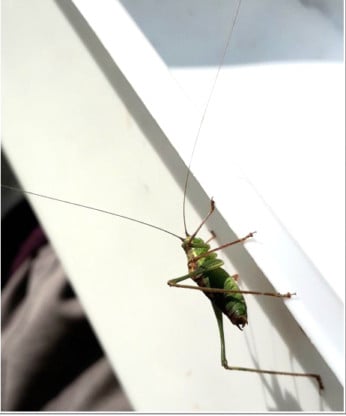
At the closed reserve of Close-e-Quayle one of our volunteers accidentally knocked a male speckled bush cricket out of a bramble thicket whilst looking for spiders and harvestmen in September.
Why were we so excited by this?
Well, these crickets are considered to be very localised in the island and are protected by the Wildlife Act, meaning the insects and their habitat must not be harmed.
We have never seen any at this site before and there are only two other sites this insect has been observed at. It’s a real bonus to find it somewhere else. So why not visit one of our open reserves?
Come and see for yourself the positive benefits of conservation work and enjoy the unspoilt beauty of nature.
You can find directions for them on mwt.im/nature-reserves
Comments
This article has no comments yet. Be the first to leave a comment.