
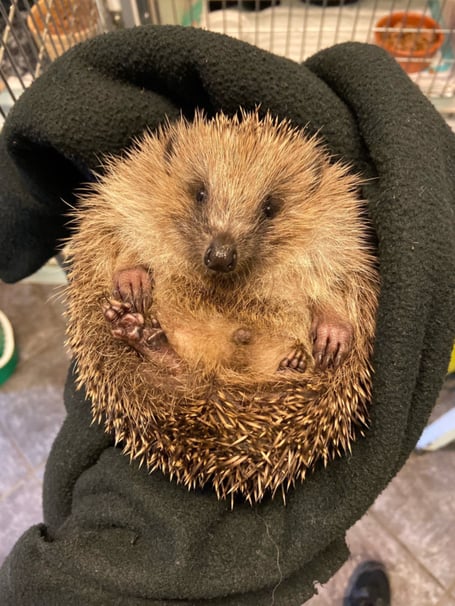
Hedgehogs are the UK’s most popular wild mammal, according to polls, which makes it all the more shocking that they have recently been included in the International Union for the Conservation of Nature’s (IUCN) red list - i.e. they are endangered and in decline.
Whilst the enforcement of wildlife friendly practices needs to happen at a governmental and legal level, we can all do our bit, especially at this time of year when hedgehogs are preparing for their winter hibernation.
They need to accumulate fat before they go into hibernation so that they can survive months without eating.
If you’re lucky enough to have hedgehogs in your garden, please feed them at dusk when they start to forage.




They will enjoy dog or cat meat as long as it’s not the fish variety, cat biscuits and a shallow bowl of water to drink from (but please remember, they can’t digest milk properly).
There are plenty of other things you can do to make your garden hedgehog-friendly, and in return you will see a noticeable reduction in slugs and snails - hogs really are a gardener’s best friend.
Here is a checklist:
Leave an undisturbed area of your garden to become untidy, and allow leaves and twigs to accumulate - they will attract insects for a hedgehog to eat and provide a perfect spot for them to nest.
Make sure there is a gap of hedgehog size in the bottom of your garden fence which will allow hogs to move around freely - they need to roam over a wide patch to find sufficient food and can travel up to three miles in one night.
If you have a pond ensure that it has a gentle slope to allow hedgehogs to get in and out - they will be attracted to insects on or in the water and will drown if they can’t climb out.
Don’t cover your plants with protective netting that’s low to the ground, because hedgehogs can easily become tangled in it; and if you have children’s play equipment with netting attached to it, please put it away at night.
Don’t let your dog into the garden at night on their own, unless you know they have a very low prey instinct and will leave a hedgehog unmolested.
Cover any drains or deep holes around your property so that hedgehogs don’t fall in.
Check long grass before strimming, and compost heaps before digging in a fork, to ensure a sleepy hedgehog isn’t at risk of injury.
Avoid the use of chemicals in your garden, especially slug pellets, and try to deter unwanted pests by natural means. Favoured natural slug deterrents are copper (surround your favourite plants with rows of pennies) and egg shells (although these need to be replaced fairly frequently).
We have taken in more than 30 hedgehogs this year.
A significant number were very sick, with a range of issues from respiratory difficulties, tick infestation and fly-strike (i.e. maggots burying themselves into the hedgehog’s flesh).
However, approximately 50% survived after being given anti-biotics, pain relief and good nutrition over a period of several weeks.
We still have several hogs in our small animals unit, including the one pictured, and hope that they will all be a good body weight within the next four weeks.
This will enable us to release them prior to their winter hibernation.
If you see a hedgehog looking disorientated during the day when they should be asleep, or you discover an injured one, please place it carefully in a ventilated cardboard box (using gloves if possible) and take it to your nearest vet who will give it emergency treatment free of charge.
Comments
This article has no comments yet. Be the first to leave a comment.