
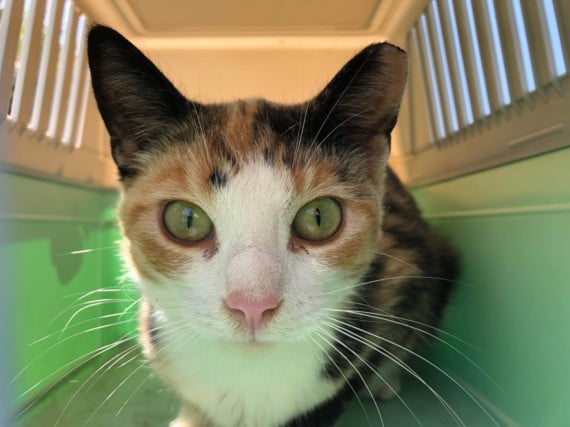
Last week’s article described the ManxSPCA’s trap, neuter and return (TNR) programme for feral cats, and how important it is that we neuter and spay them to keep numbers under control.
Large numbers of feral cats can have a detrimental impact both on the domestic cat population and on the island’s wildlife, not least its ground-nesting birds like oyster catchers.
However, controlled numbers of feral cats can be beneficial - not least because they are the very best form of natural rodent control.
The society runs a ’House a Mouser’ scheme whereby people who have a rodent problem on their property can sign up to having a small number of feral cats relocated to their farm, stables, smallholding, etc.
.jpeg?width=209&height=140&crop=209:145,smart&quality=75)
-with-friend.jpeg?width=209&height=140&crop=209:145,smart&quality=75)

In return, they must ensure the cats have a guaranteed food source and keep an eye on them from a welfare point of view.
Given some ferals can’t be returned to the environment they originally came from, perhaps because it is too close to a main road, or in a built-up area, the society is always looking for people who would be happy to take on feral cats - please e-mail [email protected] if you would like more information.
Mable (pictured) is a feral who couldn’t be returned to her original environment, and so she has been successfully released at Ard Jerkyll to live out her life on our nature trail at the back of the site.
She was in our quarantine unit for a few weeks, much longer than most ferals, because she came in with five tiny kittens.
She was a wonderful mother and all the kittens survived, and thrived, and they have now been rehomed.
In the weeks she was with us she grew to tolerate staff and volunteers being around her, but she is a genuine feral in that she showed no sign of enjoying human interaction.
If you have feral cats in your neighbourhood and you are concerned for their welfare, please let us know.
Please bear in mind, though, that returning neutered/spayed cats back to the environment they came from is the best course of action because taking cats away creates a ’vacuum effect’.
A controlled, healthy and stable colony of ferals will deter other feral cats from moving in.
In very rare instances, relocation may be necessary but should generally be avoided.
Relocation of feral cats is extremely stressful for them, as they become very dependent on the familiarity of their own environment.
The cattery team regularly give advice to concerned members of the public about the best approach to take in order to humanely trap all the cats in a particular feral colony.
It is important to ensure that we don’t leave behind any cats who will keep on breeding.
Often the best course of action is to rent out humane traps to the landowner with clear instructions about how often to monitor them, thus ensuring that a cat is inside a trap for as short a time as possible.
The TNR programme is a vital part of our work, but it costs us a huge amount of money every year.
On average, a female feral cat will cost the society £97 for veterinary care (spay, disease testing, medications, and flea/worm treatments) and a male will cost £80 (castration, disease testing, medications, and flea/worm treatments).
We take in more than 120 adult feral cats a year, which costs more than £10,000 in veterinary fees alone (albeit the fees are heavily discounted by our provider).
We need the public’s financial support to maintain this vital service, and we are immensely grateful for every donation we receive.
Comments
This article has no comments yet. Be the first to leave a comment.