
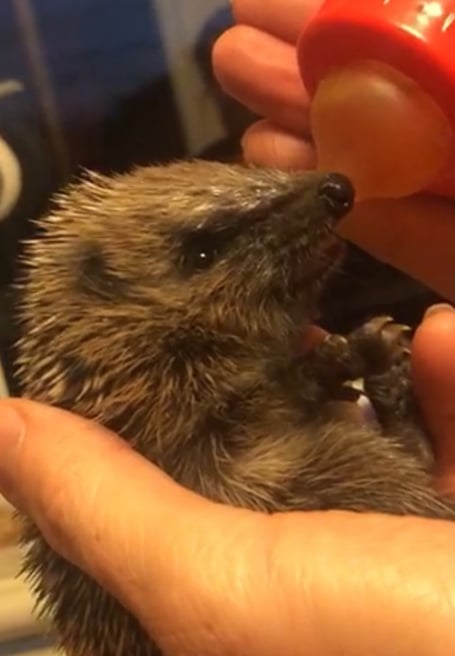
We have talked quite a lot in these articles recently about the effect this dry summer is having on our pets and wildlife, but as yet we do not know what impact the weather is having on hedgehog numbers.
We have taken in several hoglets recently that have been very dehydrated, and covered in fleas and ticks, but a shortage of water may have longer-lasting implications for the species.
Mother hogs may not have been able to produce enough milk to feed their young, and so when their offspring come out of the nest to forage they are thirstier and hungrier.
The hard ground makes it difficult for the hogs to dig for earthworms, and snail and slugs (an essential part of their diet) are fewer in number because of the dry weather.


.jpeg?width=209&height=140&crop=209:145,smart&quality=75)
Even if the hoglets survive to independence they may well be smaller and not as healthy as they should be, and therefore more prone to parasites and disease.
We can help hedgehogs through these difficult times by supplying food and water for them. As regular readers will know, hedgehogs love to eat dog or cat food, as long as it’s not a fish variety.
They will also eat dried dog and cat food which may be a better option in very hot weather because it will not go off like the wet tinned food and will not attract so many flies.
The British Hedgehog Preservation Society (BHPS) has information on its website (www.britishhedgehogs.org.uk) about how to build a quick and easy feeding station for hogs that should also prevent cats from reaching the food.
Over the next few weeks juvenile hedgehogs will be looking for a new nesting site to call home for the autumn and perhaps to hibernate in, and so if you place a hedgehog house in your garden you may well find it attracts an occupant.
The BHPS has several design ideas on its website for you to chose from, and once you have made the house sprinkle a few dog or cat biscuits around the entrance to encourage hogs to visit.
To check whether a hedgehog is occupying the house place a small piece of screwed up newspaper just inside the entrance and this will be pushed aside as the hog emerges.
Opening up the house may disturb its occupant and should be avoided.
If you have any concerns about a hedgehog’s health you should place it carefully in a ventilated box and take it to a vet for a check-up. You will not be charged for this.
If you find a full-sized hog that doesn’t seem obviously injured or ill, please endeavour to give it food and water in situ because it may be a mother hog who is looking after a nest of hoglets.
The shortage of food and water is forcing hedgehogs to forage during the day, when they would normally come out at night, and so they are more visible to the public.
Sadly, we think that this daytime activity is resulting in a greater number of hedgehogs being run over by vehicles on our roads.
When hedgehogs come in to us we liaise with various local hedgehog rehabilitators, including the amazing Manx Hedgehog Conservation Society, and either transfer the hedgehogs to them or keep them at Ard Jerkyll until they can be released on our nature trail.
We use an enormous amount of dog and cat food to feed hungry hedgehogs and hoglets, along with more than 70 young sea birds that we currently have in our aviary.
If you have tins of wet food or dry biscuits, perhaps of a variety that your dog or cat does not particularly enjoy, please bring them to us.
Comments
This article has no comments yet. Be the first to leave a comment.