
The UK veterinary profession is trying to find the cause, and the cure, for a blood disorder in cats called feline pancytopenia.
There has been a spike in cases since May with 394 cases reported in just a few weeks to the Royal Veterinary College (RVC), which believes that there are many more unreported cases in the community.
Sadly there has been a 67% mortality rate in the cats notified to the RVC.
Based on the evidence collected to-date, the RVC suspects that there is a toxic basis for the disease, but the actual toxin is unknown and, therefore, so is the antidote.


~2-(1).jpeg?width=209&height=140&crop=209:145,smart&quality=75)
-(1).jpeg?width=209&height=140&crop=209:145,smart&quality=75)
As a precautionary measure, following guidance from the Food Standards Agency, pet food manufacturers have started to recall some of their products including well known brands such as Applaws dry cat food the Pets at Home AVA range.
There is a suspected link between these foods and the cats that have been presenting with pancytopenia, although it hasn’t been definitely established.
Pancytopenia is a rare bone marrow condition where the number of major types of blood cells (white, red and platelets) rapidly decreases, causing serious illness and, in many cases, death.
Cats with this condition may seem more tired than usual and may go off their food; and one of the more specific early signs is bleeding from the mouth, nose or bowel.
Cat owners who have been using the recalled products have been asked to stop using the food immediately and to dispose of it safely with household waste.
They should then take the packaging to the retailer who supplied the food for a refund, and they can also contact the pet food manufacturers for brand-specific information and advice.
If a cat owner is worried about their pet they should contact their vet who will be able to examine the cat and establish whether there is a need for further investigations such as blood tests.
A complete blood count will not only reassure a cat’s owner, but it will detect cats that may be asymptomatic.
The RVC is asking vets to complete a survey, which includes an analysis of the cats’ diets, for all the animals they treat with feline pancytopenia so that it can continue to investigate the cause of the sudden rise in cases.
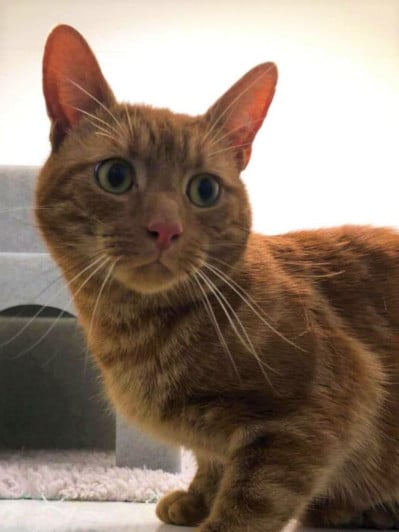
We’re happy to report that all the cats and kittens in our cattery are in good health, showing no signs of feline pancytopenia, and that our rehoming rates continue to be excellent. We have a new boy on the adoption pages of our website - Freddie Purrcury.
Like his namesake Freddie is very vocal and a bit of a show-off, although he can be a little shy at first.
He is affectionate and companionable, but he doesn’t like dogs having lived with them previously in a less than harmonious way.
He would be best suited to a rural home because he grew up on a farm, and he is used to being able to roam freely.
Freddie is only two years old and so he has a lifetime ahead of him with his lucky adopters.
He wants to break free from the cattery as soon as possible so that he can bring some bohemian rhapsody to his new family, and show them a crazy little thing called love â?¦
Comments
This article has no comments yet. Be the first to leave a comment.