
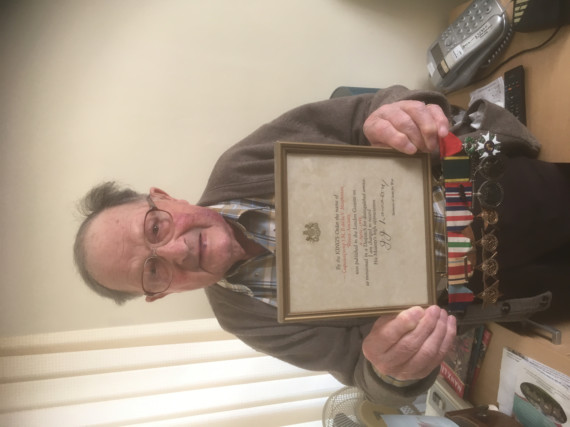
They are our country’s greatest generation, volunteering to stand and fight one of the greatest evils ever known to humanity, Nazi Germany. Sadly as the years pass by, there are fewer of those heroes left but recently reporter Sam Turton had the privilege of meeting one of them.
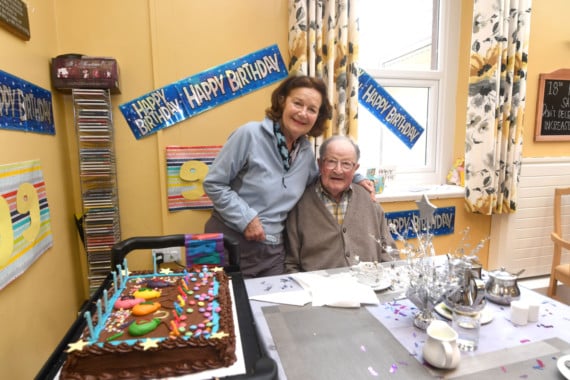
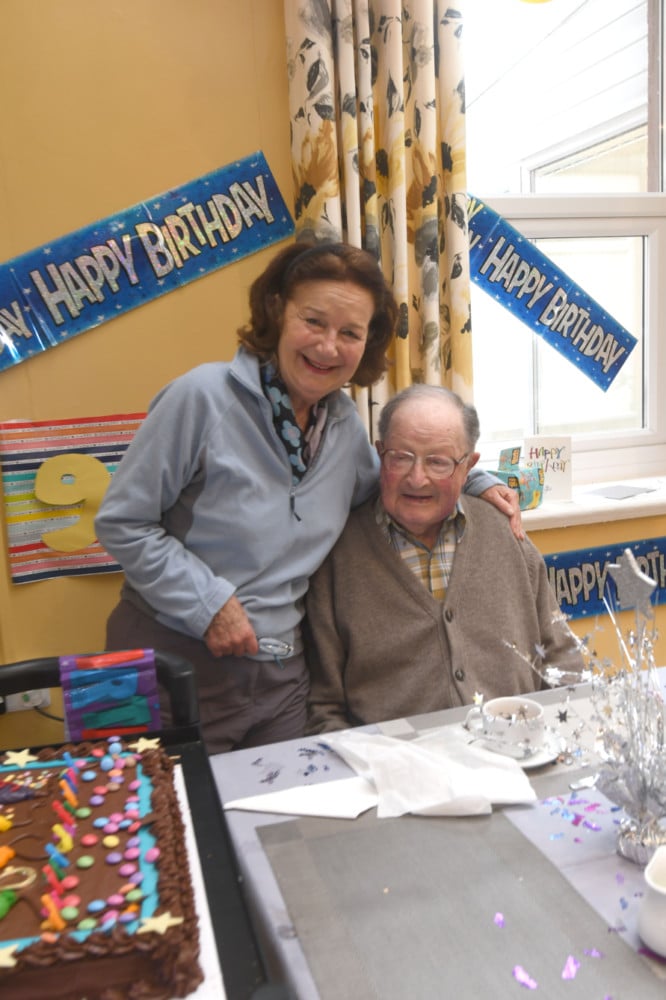
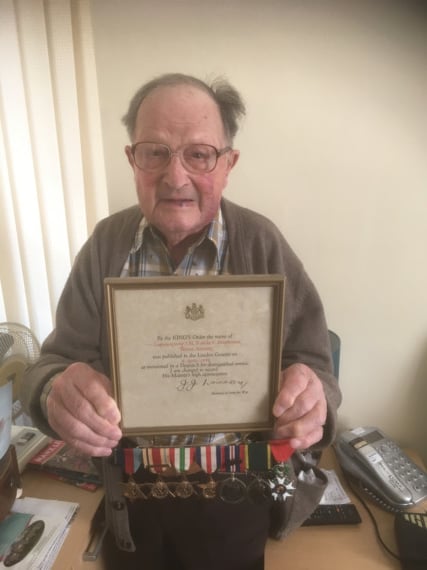
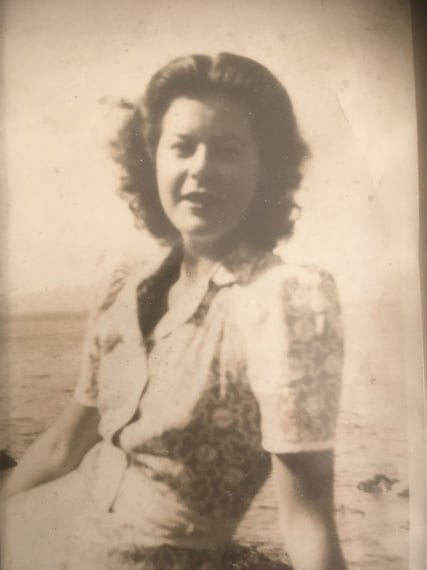
Michael MacPherson, recently turned 99, lives in Ellan Vannin Home, Douglas, where he is surrounded by his medals and pictures of his children, grandchildren and beloved late wife Pam.
He told me how he came to join the war effort and went from studying at King William’s College to fighting in Africa, met his future wife and returned to the island after the war where he then settled down to life as a farmer in Santon.
This began with an experience of meeting the future King George VI in 1938 when Mr MacPherson was 19.
.jpeg?width=209&height=140&crop=209:145,smart&quality=75)
’The territorial army was raised in the UK as a defence force and these chaps were volunteers,’ he said.
’Those who didn’t go on the officers’ training camps went to a camp for boys organised by the Duke of York who later became King George VI.
’One of his camps was at Southwold for about 200 public school boys and 200 from industry and he made sure they all mixed and lived and worked together.’
He said the future king enjoyed being ’one of the boys’ and while there, all the boys who attended got the chance to meet and get a picture of him.
’I was due to go from King William’s to Pembroke College at Oxford, but it never occurred because the Manx government had to raise a third battery to make up a three battery regiment in 1939 of light anti-aircraft gunners.
’In about a week or so, they raised the numbers at the drill hall at Tromode. I signed on at the drill hall that was then by the Brown Bobby [on Peel Road] and I went to my father and told him I’d just joined.
’He said: "But my boy you’re due to go to Oxford" and I said: "We know what’s going to happen. Never mind Oxford, there is going to be a war so I best join and get trained up as part of the Manx Regiment".’
After completing their training at Southwold, because of their training at school, Mr MacPherson, Dicky Gawne, Bill Kennaugh and some others were commissioned as officers. The officers were swapped to a different unit and Mr MacPherson was sent to Africa in 1940 to fight as part of the British anti-aircraft ’ack ack’ forces.
During this time, the men fought alongside the British Indian Army, mostly comprised of Sikhs who he said would wash thoroughly before every battle because they ’wanted to meet their maker in the very best of order’. Mr MacPherson described his time in Africa, where he was for a number of years, as ’not very nice’ but said the men just ’got on with it because they had a job to do’.
After a number of years, the Manx Regiment returned to Britain and joined in the preparations for the Normandy Landings.
Mr MacPherson remembered the sea as ’rough but not too bad’ and the German shelling as ’not too thick’.
Landing near Avranches, the regiment were involved in a number of famous battles across continental Europe, eventually finding themselves in Hamburg where Mr MacPherson served in the military government. He remained there for a year before returning home to Britain and the Isle of Man.
During the war, Mr MacPherson met his future wife Pam when he had asked her father for permission to use a cottage on his land as a headquarters for a small number of anti-aircraft gunners who were stationed for a brief period in Dorset.
’They lived in a town called Worth Matravers. Lovely place, I got to know the family very well but then I got sent to Africa.
’I kept in touch with the family during the war. When I came back, they wrote to me and invited me to Pam’s 21st birthday party.
’Unfortunately I was preparing for D-Day so I didn’t get that chance to see anything of her until I decided to reacquaint myself with her.’
Mr MacPherson met up with Pam again in a hotel lobby, where he said ’a dream walked in, she was all done up’.
Following courtship, the pair settled on the island after Mr MacPherson enrolled on one of the government’s rehabilitation courses which were designed to help soldiers find a trade after the war.
His future father-in-law suggested farming, which he decided to go ahead with.
’I didn’t know what I wanted to do but I had met the lovely Pam and I knew I didn’t want to go into law like my father had done’, said Mr MacPherson.
After obtaining the lease on land in Santon and borrowing some money from his father, he bought some cows and began life as a farmer.
Mr MacPherson said: ’Farming is an expensive world to get into, especially if you’re not involved in it, but I was fortunate and with the classes the government were doing, I learned about everything from animal welfare to crop rotation.
’I farmed very hard and diligently. The young farmers clubs were incredibly useful, providing lectures in evenings and making it possible to progress.
’Pam was a tremendous help and wonderful as always, I even managed to fit in our hobby of sailing for a good few years.’
The couple had three children, Jane, Alex and Fiona, who themselves have had children and grandchildren of their own.
Comments
This article has no comments yet. Be the first to leave a comment.