

Police have made 25 arrests since the implementation of new powers for drug driving - which were also mistakenly used before police had the power to do so, as the Manx Independent exclusively revealed last month.
On January 17, the police received the new powers under the Road Traffic Amendment Bill called ’drug wipes’.
These have been used for a number of years by police forces in the UK to combat drug driving, described by Manx police as a ’growing problem’.
A spokesperson said 25 people had been arrested on suspicion of driving while under the influence of illegal drugs since this date.
.jpeg?width=209&height=140&crop=209:145,smart&quality=75)

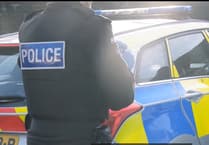

Police said on social media: ’Since their introduction to the Isle of Man, a number of arrests have been made as a result of positive drug wipe tests and a number of drivers are currently on bail as a result.
’The Isle of Man Constabulary is committed to improving road safety and those that use drugs and then drive whilst under the influence can expect to be stopped and action taken.’
The roadside kit uses a mouth swab and a blue line will appear if the person has taken drugs.
This follows the police admitting that officers had been drug testing drivers without having the powers to do so in early January. This was because the new amendment to the Road Traffic Legislation hadn’t come into force yet and so wasn’t law at the time. Officers were seen drug testing motorists with swab kits from January 2 of this year.
A spokesperson from the police said at the time: ’Due to an administrative delay, the legislation which introduced the new powers was not enacted on the intended date.
’This has now been rectified and the powers are correctly in place.’
Though police did not have the powers described in the amendment, it did not affect the existing powers and the police could still stop motorists in certain circumstances.
Under the Road Traffic Act 1985, the police have powers to stop motorists and, in certain circumstances, obtain a breath test and/or, if there are grounds, arrest them for being under the influence of drugs.
The amendment just introduces maximum legal limits of drugs.
According to the act, at the time police were conducting these drug tests before the amendment came into force, officers were able to stop a motorist but the driver would not be required to give a preliminary drug sample or be convicted solely on the level of a specified drug in their system being above a prescribed limit.
Officers were operating in early January under the assumption that the amendment had already been introduced. In fact, this would have become law only when the Department of Infrastructure implemented the act.
Now the amendments are implemented, even a small level of an illegal drug in your system will lead to an automatic minimum two-year driving ban - 12 months longer than in England and Wales.
England and Wales introduced roadside testing in 2015, while in Scotland it was 2019.
Comments
This article has no comments yet. Be the first to leave a comment.