
Should there be pay restraint at the highest levels of the public service?
Figures released by the Office of Human Resources reveal the scale of salary ranges of the 52 civil servants in the corporate leadership group - and how their pay has increased over the last five years.
Chief secretary Will Greenhow is the only one employed in the highest Jesp 20 pay band which has increased from between £114,338 to £142,825 in 2013 to £124,371 to £155,358 in April this year.
There are five post-holders in the next pay band, Jesp 14-18, including the chief financial officer and chief executives of the departments of health, economic development, education and infrastructure.

-and-Tim-Foster-(right)-out-on-the-Atlantic-Ocean.png?width=209&height=140&crop=209:145,smart&quality=75)
These have seen salaries increase from £95,347-£119,085 five years ago to £103,713-£129,534 today.
The next senior post pay band, Jesp 9-13, containing 12 posts including the assessor of incomes tax, director of MNH and chief executives of DEFA and Home Affairs, has risen from £76,448 to £95,461 in 2013 to £83,157 to £103,837 this year.
And the remaining 34 employed in the lowest pay band in the corporate leadership group, Jesp 5-8, including the chief registrar and director of eduction, have seen their salaries increased from £58,933-£73,565 to £64,104-£80,020 over five years.
The salaries have grown as percentage increases have been awarded across the board following arbitration. Civil servants and government manual workers were awarded a 2.3% pay rise this year.
Jon Callister, head of the Office of Human Resources, said proposals for graduated pay awards, where highest grades would get a smaller percentage increase, had not been accepted at arbitration.
He said: ’In the last two negotiation rounds we have put forward proposals for graduated pay increases but in neither cases did they feature in the arbitration result.’
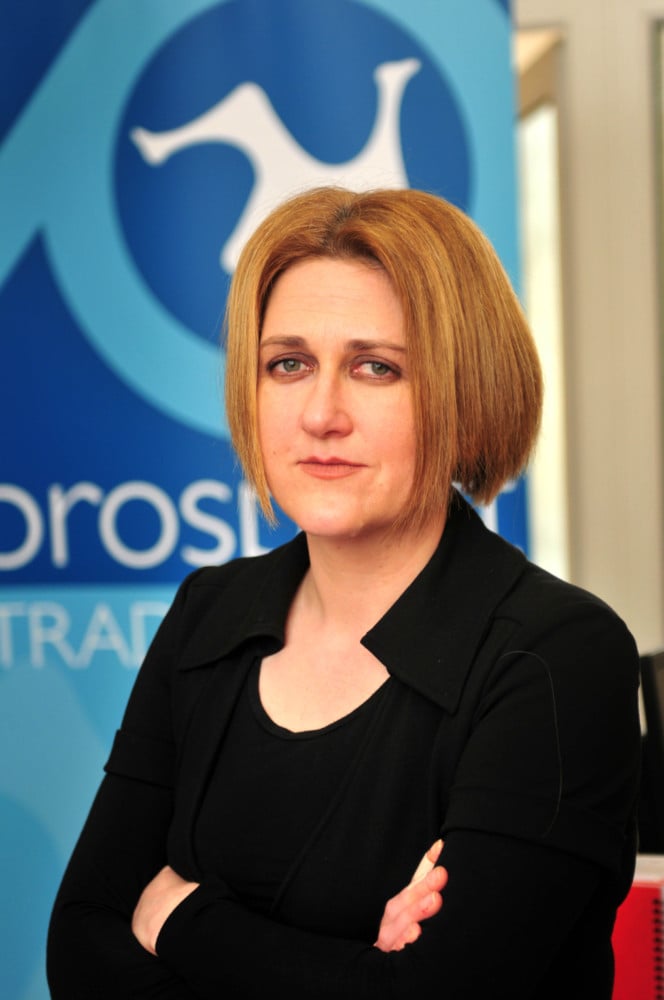
Angela Moffatt, negotiations officers for Prospect, said if there was a case for pay restraint at the highest level it was for the government to make - and the majority of the union’s members wanted a straight percentage increase.
She said: ’We talked about graduated pay rises during negotiations - but the offer was still low for even those at the "bottom". The amounts offered we felt, especially to the lowest paid were so low, that they would have been rejected anyway.
’For us, we have to be able to negotiate something that most members will accept. Most of our members earn below the national average wage - if they reject an offer then no matter how it is structured, we are likely to end up in arbitration.
’Every time we ask members about pay rises the majority always say the same thing - that they want a straight percentage applied.’
Ms Moffatt added: ’I think the issue here is not about pay awards. After all, everyone in life deserves their pay to go up as living costs rise. The issue is about the basic pay of a job.
’The question seems to be: are senior jobs, not just in the civil service but across local and central government, paid too much as a basic salary?
’The government does look at that - every time they fill a job, or have an internal review, they look at the basic salary. Some jobs have to go up in salary, some have to go down. And sometimes, you can’t fill a job, or keep someone in it unless you pay more. That’s the reality. And that’s true in the public and private sector equally.’
Ms Moffatt said that government has been trying to shave off expense on salaries for the past seven years - and have already reduced the top earners in the civil service by almost a third from some 70 posts to 52 now.
Mr Callister said a new starters policy introduced in April last year has seen the number of points in each senior post pay band reduced from six to three, meaning the maximum salary for a new post holder in that band has been cut.
This would result in the maximum a new chief secretary would be paid being £136,765 instead of £155,358.
Comments
This article has no comments yet. Be the first to leave a comment.