
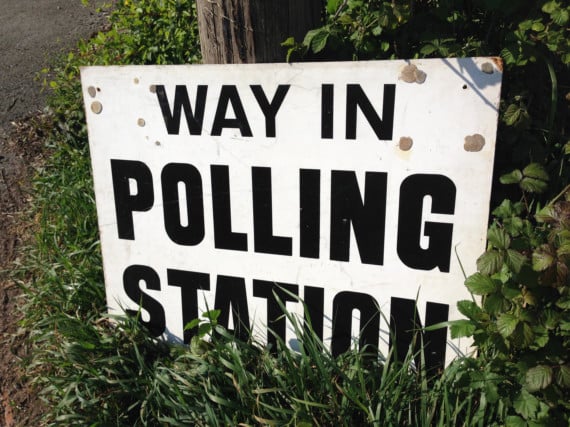
Consultation has been launched into proposed major reform of the voting system.
The Cabinet Office says the current electoral registration system, in which a full postal canvass is conducted on a household basis each year, is outdated.
But under changes outlined in the Registration of Electors Bill 2020, voters will remain on the register for life, or until they are no longer resident in the island.
It’s a major reversal of new rules introduced in 2015 when voters had to return a completed registration form and were removed from the list if they didn’t.




This resulted in 12,252 people being taken off the voters’ list island-wide. The electoral register published on April 1 that year contained just 47,278 names.
Peel commissioners lodged a Tynwald Day petition this year into the cull of names from the voters’ list, which they believe was ’unlawful’.
Under the current system, some 43,000 paper forms are posted to every household to establish who is eligible to vote. These are followed a few weeks later by up to 20,000 reminders.
Disenfranchised
Responsibility lies with the head of household to ensure the details are correct.
There is the potential for people to be disenfranchised if they fail to respond.
And the Cabinet Office says the current process is costly and time-consuming.
The proposed new system is based on the principle of continuous registration, with information verified against other data held by other government departments.
This ’tell us once’ principle of public administration will require its own separate piece of legislation. The electoral register is currently published every quarter.
In future, the full register will be published annually and a monthly update - known as an ’alteration notice’ - will capture any additions, removals or changes.
At present, there are no special arrangements for those electors who are unable to vote in person by reason of their employment or service.
The Cabinet Office is proposing to introduce categories for the Armed Forces, students studying off-island and public servants resident overseas who be entitled to cast a postal vote.
Provision will also be made for anonymous registration to help protect the identity of a person who is deemed to be at personal risk.
Other changes are proposed with the repeal of the Representation of the People Act and Local Elections Act and their replacement with the Elections (Keys and Local Authorities) Bill 2020.
Postal voting on demand will be introduced. This has proved very popular in the UK.
Proxy voting will be retained, but will be restricted as effectively a last resort for electors who are unable to vote in person or by post.
Another departure will see the option to recall MHKs whose conduct has fallen below acceptable standards.
Currently voters have to wait until the next election to voice their opinion about the conduct of a politician.
But the new bill will provide them with the power to trigger a by-election if an MHK is sentenced to prison or suspended from Tynwald for specified period of time.
The new bill proposes to introduce an additional process to deal with genuine, often lower level complaints in a more timely way.
It also makes provision for a returning officer to correct a procedural mistake where an election result is affected.
The consultation runs until January 6.
Comments
This article has no comments yet. Be the first to leave a comment.