
Tensions between tourism chiefs and the Cabinet Office, after a passenger survey reported a drop in visitor numbers, boiled over into Tynwald this week.
While Policy and Reform Minister Chris Thomas insisted the passenger survey was ’robust’, after the hospitality sector questioned its accuracy and the Steam Packet reported an increase in sea travellers, the Department for Enterprise hit back - and also asked for more money for marketing.
Figures released in the latest passenger survey show that total visitors dropped 8.9% in 2017 from 292,328 to 266,850 - the lowest figure in a quarter of a century.
Of these 158,249 travelled by air, and 108,601 by ferry.

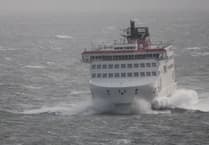
But the Steam Packet has reported a 3.4% increase in its passengers.
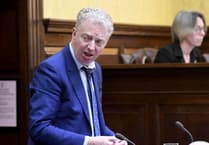
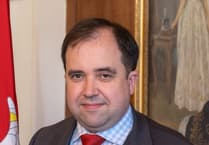
In Tynwald, both Mr Thomas and DfE member Rob Callister were questioned on the figures.
Mr Callister said: ’Our department was disappointed by the indications from the survey as all other indications for our visitor economy in 2017 were positive.’
He said the DfE was committed to working with the Cabinet Office and the tourism industry to ’review the approach to the survey and find a better and more frequent way of determining the health of the sector’.
He added: ’This way of reporting has been in place for many years and it has served us well, however we have to recognise that it is a sample survey.
’It needs to be looked at in the broader context and these figures should be seen as part of an overall mix of indicators.’
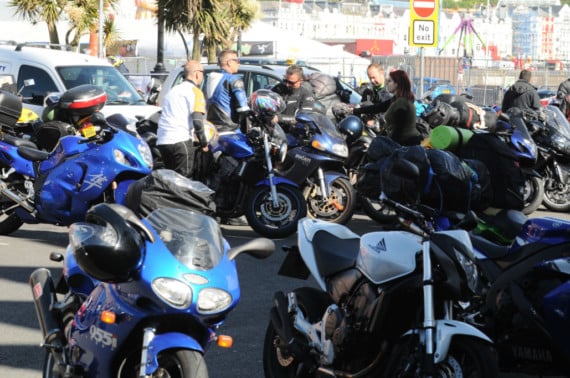
Mr Callister said reports commissioned by his department had shown an upturn in visitor numbers for specific events, including 6.2% at the TT, 2.9% at the Festival of Motorcycling and 50% at the Southern 100.
’In addition to these surveys, many of our visitor attractions also reported increases in 2017, including our heritage railways that reported a double-digit growth and Manx National Heritage that recorded growth of visitors to both seasonal attractions and the House of Manannan, including growth in Group Visitors and Holiday Pass sales.’
Feedback from the industry itself had indicated a ’positive’ year in 2017, he said.
’The department surveyed businesses in October 2017 and 78% of accommodation providers that responded reported that bookings were as good as, or better than 2016, with only 22% reporting a decrease.
’In the same survey on more general business, 75% reported that business in 2017 was as good as or better than 2016.’
He added that the Steam Packet and the airlines were now providing, for the first time, data on actual journeys, rather than just passenger numbers.
’We are convinced that by using actual carriers’ data we will have more accurate information for passenger and visitor surveys going forward,’ he said.
A number of members called for hard information rather than positive indicators, saying the passenger survey itself gave a clear message.
They also expressed concern that the methodology was being challenged.
Marketing
Bill Shimmins (Middle) said: ’You are on a bit of a slippery slope if you don’t like the results of a survey, your major response is to change the methodology of a survey.
’It is important that the Cabinet Office resists pressure, if it is to maintain its credibility for producing data on our economy.’
Mr Callister said: ’This is an independent report.
’I respect that process and I respect their findings. I personally take my confidence from the industry, who I speak to every day.’
In the face of further questions from Treasury department member Mr Shimmins, Mr Callister said the tourism sector had seen a £1.1 million cut in its marketing budget over several years.
’If he wants to give us back £1 million, we will market the Isle of Man better and we will increase the figures,’ said Mr Callister.
Towards the end of questions to Mr Callister, Mr Thomas challenged him, to confirm the DfE accepted that the use of samples was a valid approach.
Mr Callister said he ’totally’ agreed.
Comments
This article has no comments yet. Be the first to leave a comment.