
The Covid-19 pandemic has allowed innovation into the island’s health service, but has left some residents without the healthcare they need.
During Tynwald this week, members highlighted the positive introduction of GP appointments by phone or video call but others criticised some clinics and procedures being sidelined at the possible detriment to residents’ health.
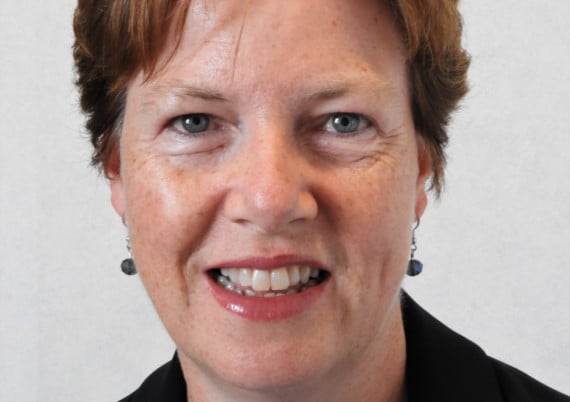
Jane Poole-Wilson MLC, said that the introduction and embracing of more communication technology in medicine, removing the need for patients to visit their GPs, has been one of the upsides for health during the pandemic.
experience
.jpeg?width=209&height=140&crop=209:145,smart&quality=75)
.jpeg?width=209&height=140&crop=209:145,smart&quality=75)

’There is a real opportunity now to learn from the experience so far and refine an approach that means there can be more tele-medicine in the future. The time is also right to inbed this if experience and transition to the new normal means there is increased public willingness to embrace such an approach.’
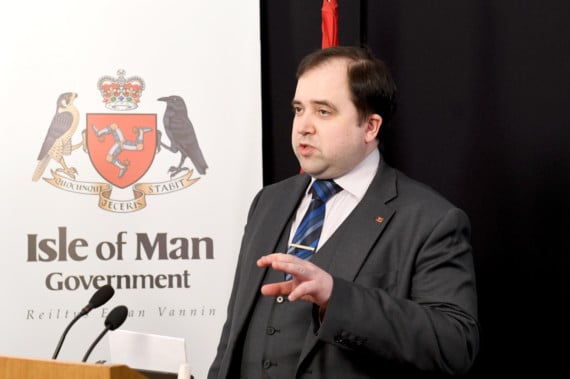
Health and Social Care Minister David Ashford said that many of these ways of engaging with doctors and others would go on long after the Covid-19 pandemic has passed. ’I think that there are some very good things that will come out of this and particularly around the tele-medicine.
’A lot of the ways we’ve had to adapt as a government and do things differently, not just in health but across all the various departments, I think some of that will stick around.’
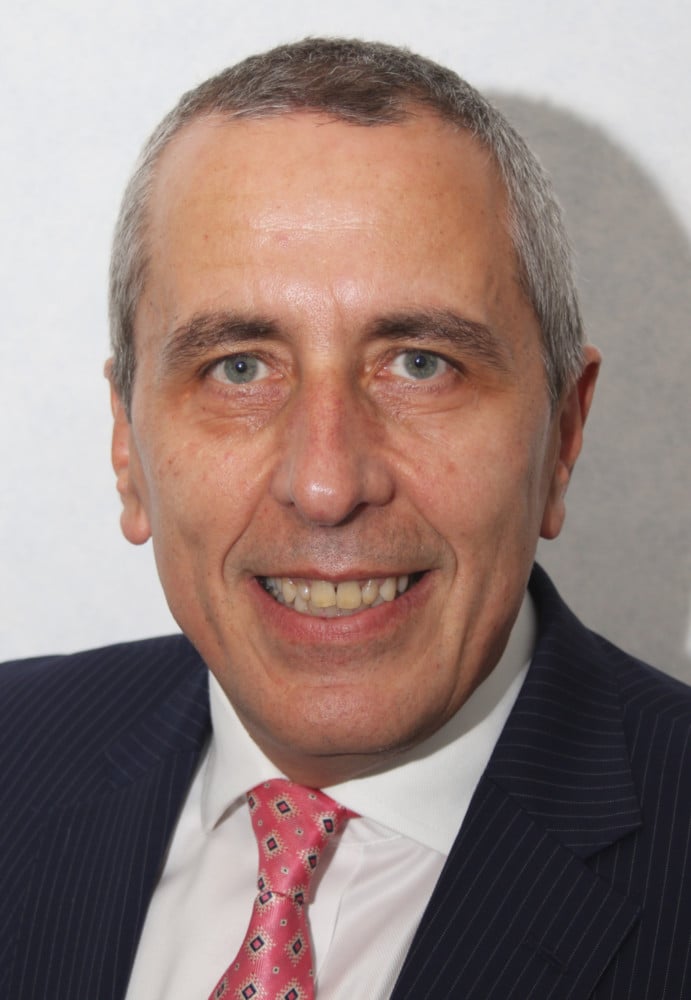
But it is not all good news. Middle MHK Bill Shimmins noted that clinics and procedures had been dropped to focus on the Covid-19 response.
He said while it is ’great news’ that the health system is not struggling, he added: ’In the meantime, many of my constituents are struggling with other non-Covid health issues. There is a wide range of conditions for which they are not receiving treatment. People are struggling to get the healthcare that they need.’ He noted that the government’s medium-term response to Covid-19 plan is ’silent on when they will get treatment’.
Mr Ashford said the DHSC is ’working on strategies for restarting services that have been shut down. But it has to be done in a clinically safe way, not just to protect the workforce but also those patients who are using the services.
’It has to be done as a very delicate balance to make sure that on one front or the other we don’t leave ourselves exposed.’