

A union boss says he won’t rule out further strike action after a period of calm failed to break the postal dispute deadlock.
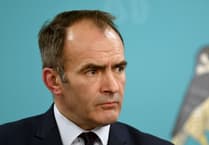
Terry Pullinger, deputy general secretary of the Communication Workers’ Union, said he is frustrated at the lack of progress in reaching an agreement.
’It’s still tense,’ he admitted. ’We’ve been trying to progress to the point of agreement. But we are really struggling - they are very difficult people to deal with.
’We’ve had a period of calm. We’ve done a bit of industrial action but they didn’t change their position so we tried a different tack.’


-(1).jpeg?width=209&height=140&crop=209:145,smart&quality=75)
He added: ’I would not rule out there being more industrial action - whether that’s traditional action or we will see something else would have to be a decision of the membership.’
Posties have so far taken part in strike action twice - before Christmas and again in February - in a dispute over changes to pay, pensions and terms and conditions.
Mr Pullinger predicted the union will at some point request arbitration, but unlike other areas of the island’s public sector this would require the agreement of the management.
He said: ’This could well end up with us requesting arbitration.
’If they refuse that I don’t think that will look very good in the public’s eye. We will see where we go from there.’
The union boss said the management had ’made life difficult for themselves’ by proposing a ’mini-revision’ to posties’ duties and delivery times. He said the idea of the mini-revision being imposed had caused a ’flashpoint’.
But he said he still held out a hope that ultimately he could take a proposal back to the union membership with a recommendation for approval.
The Post Office board insists its offer is ’fair and realistic’ and insists that if it is not implemented, losses could rise to £4.5m by 2022.
The service made a loss for the first time in its history in 2017-18.
Post Office proposals comprise a 1% pay increase this year, backdated to April, plus a £200 lump sum, followed by a 2% rise for 2019-20. A new defined contribution pension scheme will be introduced for new starters who will also begin on a lower rate of pay.
Allowances, some of which were introduced 40 years ago, will be subject to a phased buy-out over two years.
Comments
This article has no comments yet. Be the first to leave a comment.