.JPG?width=94&height=94&crop=1:1,smart&quality=75)

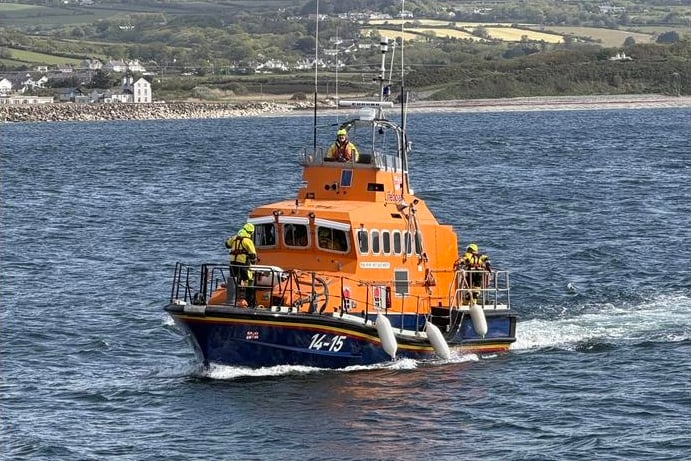
Port St Mary’s lifeboat crew have said they are ‘saddened’ by the decision to end all-weather lifeboat operations at the station in 2028.
The Royal National Lifeboat Institution (RNLI) confirmed earlier this week that its Trent-class lifeboat at Port St Mary will not be replaced when it reaches the end of its operational life.
In a statement, the station said its current lifeboat, Henry Heys Duckworth, would remain an important part of its lifesaving capability until its withdrawal.
A spokesperson from Port St Mary RNLI commented: ‘We were saddened by the news that all-weather lifeboat operations at Port St Mary RNLI station will come to an end in 2028.
‘Trent class lifeboats have served our station and community exceptionally well in recent years, and our current Trent, Henry Heys Duckworth, will remain a valued part of our lifesaving capability until then.
‘Our D class inshore lifeboat, Frank Martin, will continue to play an important role in our lifesaving operations and service to the community. Our crew remain committed to saving lives at sea and serving our community with the same dedication as always.
‘Thank you for your continued support.’
The decision forms part of the RNLI’s long-term Lifeboat Fleet Strategy, which aims to ensure the charity has the appropriate lifeboats in the right locations to respond to changing demands on its lifesaving service.
The changes will also see Douglas receive a new Coastal Lifeboat, with its allocation confirmed by the RNLI, while work is continuing to identify suitable shore facilities for the vessel.
The charity’s fleet strategy is based on an assessment of lifeboat capabilities, rescue patterns and the changing ways people use the coast and surrounding waters.

.jpeg?width=209&height=140&crop=209:145,smart&quality=75)
-(2).jpeg?width=209&height=140&crop=209:145,smart&quality=75)
The RNLI responded to 9,058 operational services in 2025, more than three-and-a-half times the level of activity anticipated 50 years ago.