
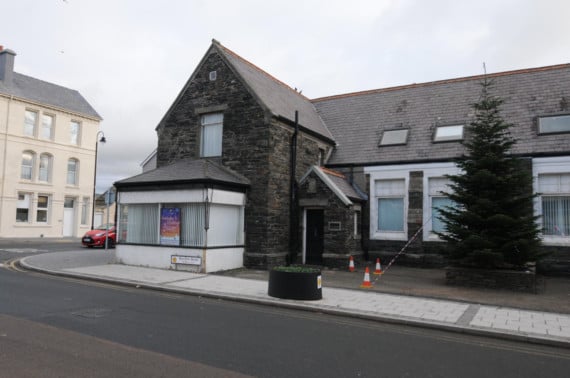
Householders in Port St Mary year face a 2% increase, taking the rate from 331 to 338p in the pound.
The authority blamed external influences beyond its control for the rise.
Commissioners’ chairman Michelle Haywood said: ’Despite considerable financial pressures in the forthcoming year, the board has worked very hard to minimise the impact on rates for Port St Mary residents.
’However, increases in staff wages and pension costs, which are centrally applied by national government, will have a significant impact.

.jpeg?width=209&height=140&crop=209:145,smart&quality=75)
’The board will continue to scrutinise expenditure and apply sound financial planning to their decisions. The board has identified several areas in which savings can be made and will continue to seek further savings where possible.’
She added: ’There are several budget increases from external sources which are beyond the control of the board. The proposed increase for government salaries for the coming year is due to be 2.5%. 49% of our budget is spent on salaries and pensions.
’A further 3% increase is imposed on the employer’s National Insurance contributions for any employee included in the pension scheme. Employers’ pension contributions increase by 1%.
’Disposal costs at the Energy From Waste plant are due to rise by 5.7% in April, this accounts for 11% of our budget.
’Southern Civic Amenity Site costs will rise by 5.7%, accounting for 5% of our budget.
’Our current work vehicles are in need of replacement and we are planning to start replacing them from the coming financial year. This accounts for £10,000 of our expected vehicle expenditure.
’The latest available CPI rate stands at 3.2%, and RPI rate is 2.58% (both November 2018).
’The proposed rate increase is below both these figures and the board anticipates that cost saving measures and careful scrutiny of expenditure will allow them to deliver a balanced budget for the forthcoming year.’
In November we reported the authority had converted a £21,404 surplus in the general revenue fund in 2017 into a £33,148 in 2018. Dr Haywood said then the reserves were ’at critical levels’.
The purchase of Manxonia House in 2016 - a dilapidated building on the High Street - was blamed by Dr Haywood for the parlous state of the board’s finances.
Its sale will ease pressure on the authority and the building is on the market and there have been several viewings but no offers.
Comments
This article has no comments yet. Be the first to leave a comment.