
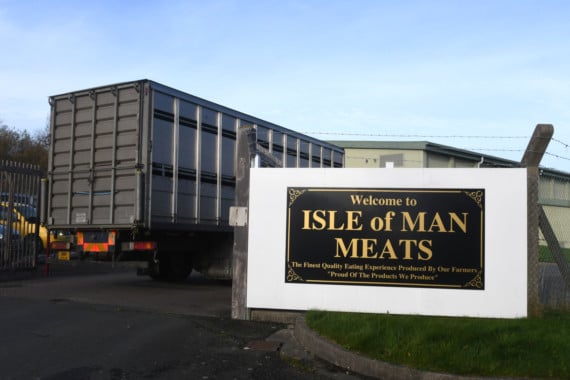
The island’s meat plant has now increased its intake of animals for slaughter again, following a temporary reduction in its activity.
Two weeks ago, the abattoir decided to limit the number of lambs being taken in for slaughter, because of a fall in market prices for the meat.
A statement from the government’s Department of Environment, Food and Agriculture said: ’Pressures in the UK meant that we had to take a tough, commercial decision to temporarily limit the intake of lambs for slaughter due to the low market price.
’The UK market is unpredictable at the moment and shifted significantly over two days, which meant that a temporary intake limit had to be imposed at short notice.



.jpeg?width=209&height=140&crop=209:145,smart&quality=75)
’We expect the UK market to remain unpredictable for the foreseeable future due to a number of factors, including the impact of the hot weather which has reduced consumer demand. This has a downward effect on both stock and meat prices.’
Manx National Farmers’ Union general secretary, Andrew Cooper, said the prolonged hot weather had been at the root of the decision and was continuing to have a negative impact on farmers.
’With the dry summer, a lot of stock is ready to process so a lot of farmers have been trying to book them in.
’But the international price of beef and lamb has gone down. Because it’s been so warm, everyone is eating chicken on the barbecue instead,’ he said.
Mr Cooper added the abattoir buys the animals for slaughter at a fixed price from the farmers, then sells the meat on to the shops, so any downward fluctuation in the market impacts directly on its profits.
He said the profit made per lamb is currently just £1.80.
He added that the cost of shipping meat to sell in the UK also had a impact on profits and any lambs not slaughtered early enough can become classified instead as ’mutton’ and, again, will command a lower price. The impact of the hot weather is likely to continue with a shortage of grass forcing farmers to use winter feeding stocks to feed their animals.
Nor can farmers sell animals on because there are few buyers under current conditions and sale prices are consequently low.
However, this week activity at the abattoir has increased with a three day slaughter, starting off with ewes, followed by cattle, pigs and lambs on the following two days.
The statement from DEFA continued: ’We are continuing to monitor the market and are reviewing intake on a weekly basis.
’As with any business the Meat Plant has to consider profitability, and take decisions based on market prices about when it’s best to sell produce.’
Comments
This article has no comments yet. Be the first to leave a comment.