

The message from the Office of Fair Trading is that it is never too early, or too late, to take control of your Christmas budget to avoid a ’debt hangover’ in the New Year.
Some people will have planned a budget well in advance of Christmas, possibly many months in advance, but do not panic if you haven’t done so, writes Julie Blackburn.
Even if you are leaving buying presents until the last minute you should still plan a budget and stick to it.
If you find yourself in difficulties in the New Year, or want advice on taking control of your budget at any time, the OFT offers a free and confidential debt counselling service (details below).
.jpeg?width=209&height=140&crop=209:145,smart&quality=75)
.jpeg?width=209&height=140&crop=209:145,smart&quality=75)


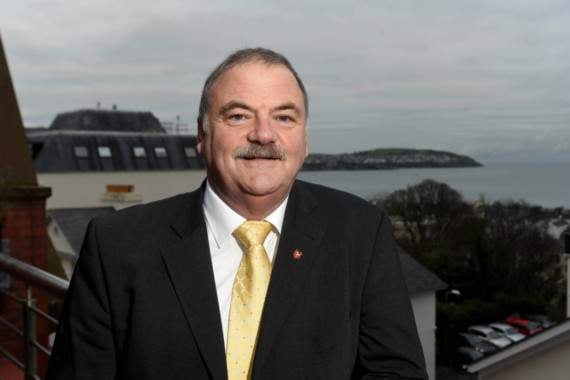
Chairman of the OFT, Martyn Perkins MHK, explained: ’It would come as no surprise to the OFT if more people than ever start 2019 with a "debt hangover" having spent too much money at Christmas.
’It is obvious that many people get into debt through bad budgeting, including buying on the "never-never", for example, using credit cards.
’We recommend that you plan a sensible Christmas budget and stick to it by only spending what you can afford to.’
He added: ’Anyone who is concerned that they may be overstretching their finances at any time, not just for Christmas, should seek advice from our debt counselling service.
’The importance of taking control of your finances should never be underestimated.
’Being in debt can be very stressful so I would encourage people to seek advice early as prevention is better than cure.
’You should never be too embarrassed to approach our debt counselling service for advice.’
Hannah Williams, consumer adviser and debt counsellor at the OFT said: ’I think it’s important to remember that debt can affect anyone due to illness, bereavement or other changes in circumstances and people shouldn’t feel any shame or embarrassment if they’re faced with money problems.
’As debt counsellors, we’re here to listen and give clients the relevant tools and strategies to help them minimise the effects of debt on their wellbeing.
’Above all, we want to empower people to take control of their finances and get themselves back on their feet again.’
These are the headline figures for the debt counselling service:
â?¢177 new clients were helped in 2017 - a seven year high.
â?¢The total debt owed by new clients in 2017 amounted to more than £2.5 million.
The three most significant proportions of this aggregate figure were owed on credit cards (25.7%), personal loans (17.9%) and bank loans/overdrafts (10%).
â?¢The average debt owed by each of the new clients in 2017 was just short of £15,000.
â?¢Debt owed on credit cards perennially makes up the single most significant proportion of the total debt owed by new clients.
â?¢Bad budgeting, including making purchases on the ’never-never’, is perennially the most significant debt trigger.
Using a credit card and having an account with a catalogue are examples of buying on the ’never-never’.
â?¢The average credit card debt over a five-year period up to the end of 2017 was just short of £4,200 and the average catalogue debt for the same period was just short of £1,000.
It is important to note that some clients have more than one credit card or catalogue debt.
In the context of the above, ’debt’ includes both secured and unsecured debt.
The amounts owed include mortgage arrears but generally not the amounts outstanding on mortgages.
Comments
This article has no comments yet. Be the first to leave a comment.