


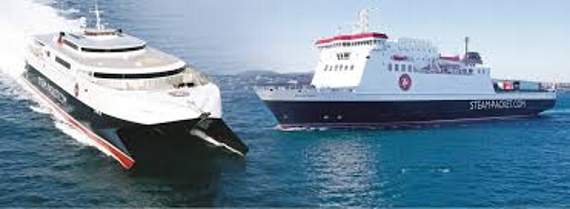
Manannan’s Douglas to Liverpool 10am sailing this morning has been cancelled because of the stormy weather.
The Met Office has issued an amber weather warning.
Meanwhile, Steam Packet passengers are facing further disruption and potential cancellations.
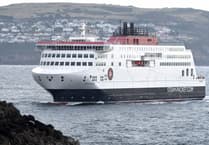
The Ben-my-Chree left Douglas for Heysham at 7.30am today (Saturday) instead of the scheduled time of 8.45am.
.png?width=209&height=140&crop=209:145,smart&quality=75)
.jpeg?width=209&height=140&crop=209:145,smart&quality=75)
Ronaldsway Met office says it will be windy with a strong to near gale force south to southeast wind, which will turn to the west later in the afternoon, with highs of 14 degrees C.
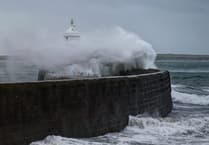
The Met Office says that at around high tide this afternoon (Saturday), around 1pm, large waves are expected to break on to exposed coastal roads and promenades, bringing some sea water and debris onshore, and there is also a risk of some minor inner harbour flooding for the lowest lying areas next to Castletown and Ramsey harbours.
Showers or outbreaks of rain will continue to affect the island this evening and tonight as the west to northwest wind increases to gale force with gusts up to 55mph possible. Lowest temperature near to eight degrees C.
The Steam Packet says that based on current forecasts the Heysham to Douglas service originally scheduled to leave the Lancashire port at 2.15pm, will now be leaving at 12.30pm.
As things stand the Liverpool to Douglas Manannan sailing at 7.15pm is cancelled.
The Douglas to Heysham service on the Ben due to leave at 8pm tonight is subject to probable disruption or cancellation and a final decision on this sailing will be made by 5pm, it is said.
And the Heysham to Douglas service at 2.15am tomorrow is subject to disruption/cancellation. A final decision will be made by 5pm.
Anyone looking to cross the water today is advised to check with the Steam Packet.
As things stood at 8.45am there were no delays to flights to and from the airport.
Tomorrow (Sunday) is predicted to be mostly dry with the chance of some brighter spells.The strong to near gale force west to northwest wind will gradually ease during the day, with temperatures suppressed to 12 or 13°C.
Comments
This article has no comments yet. Be the first to leave a comment.