
It will take three years for the island’s farmers to recover from the current drought.
The Manx National Farmers’ Union told the Manx Independent that the 12 weeks of hot weather has had a ’catastrophic’ effect on crop growth across the island, which has affected livestock.
Union general secretary Andrew Cooper said: ’Our primary focus at the moment is fodder, forage and bedding. Barley this year is third of the length that it should be and this is across the Isle of Man, the UK, Ireland and western Europe. You cannot purchase it from anywhere else because nobody has got any to sell.
’When it gets wet, the cattle want to live indoors and you cannot put them indoors without straw, wheat or barley being on the floor.


.jpeg?width=209&height=140&crop=209:145,smart&quality=75)
-(4).jpeg?width=209&height=140&crop=209:145,smart&quality=75)
’We’re currently looking at alternative types of bedding, such as cutting bracken, shredded paper and wood chip and will be making them available for farmers to use.’
He said that, since UK farms were also struggling, it may make it harder for Manx farmers to export and sell livestock as a way of easing the burden.
’Hay has doubled in price. It would normally be £18 for a hay bale, but now the price can be as high as £50,’ he added.
Although the prices have increased for fodder, Mr Cooper says farmers will not be compensated by what they sell to supermarkets as the cost of meats and other goods would not rise significantly.
’[Supermarkets] will be keeping the cost of food affordable,’ he said. ’There are policies for when it’s wet or for when there is snow, but because it’s such a rare thing to have really hot conditions in the Isle of Man nobody has ever planned for it before.
’It will take three years just to get back to where we were at May this year due to animal fatality problems, mortality rates of young stock and more.
’You would think the weather is the biggest variable in farming and it is. Farmers do not control the weather.’
The Department of Environment, Food and Agriculture recently announced a 10% advance of the financial support provided through the Agricultural Development Scheme for helping Manx farmers’ cash flow.
However, the DEFA is concerned about farmers selling livestock as a way to ease costs which could cause problems for the island’s meat plant.
Dan Shacklock from Oatlands Farm in Santon says it has been a difficult year as all his crop yields are down significantly.
’We sell lots of hay and [this year] it’s such fantastic quality of hay, but it hasn’t been the quantity,’ he said.
The 24-year-old says he has resorted to buying hay in the UK as winter fodder for his own beef cattle as it is difficult to find any in the island.
He said: ’We are going to end up paying too much for food then what we can justify. It’s too expensive to feed them [the cattle] and we’ll be making a loss by feeding them.
’I don’t know of anybody who’s got off lightly, there are plenty of people [farmers] suffering this year.
’Last winter was so cold and wet and it carried on all May, so everyone was feeding their cattle on until May. We have to try and get our winter stocks back again.
’I don’t know what this winter’s going to be like. Everyone’s panicking a lot and getting prepared before another long, wet winter. We’ve had a long-drawn, wet winter and a hot summer - it’s the two combined.’
He added that his cattle and horses were fine with the heat as long as they have plenty of access to water.
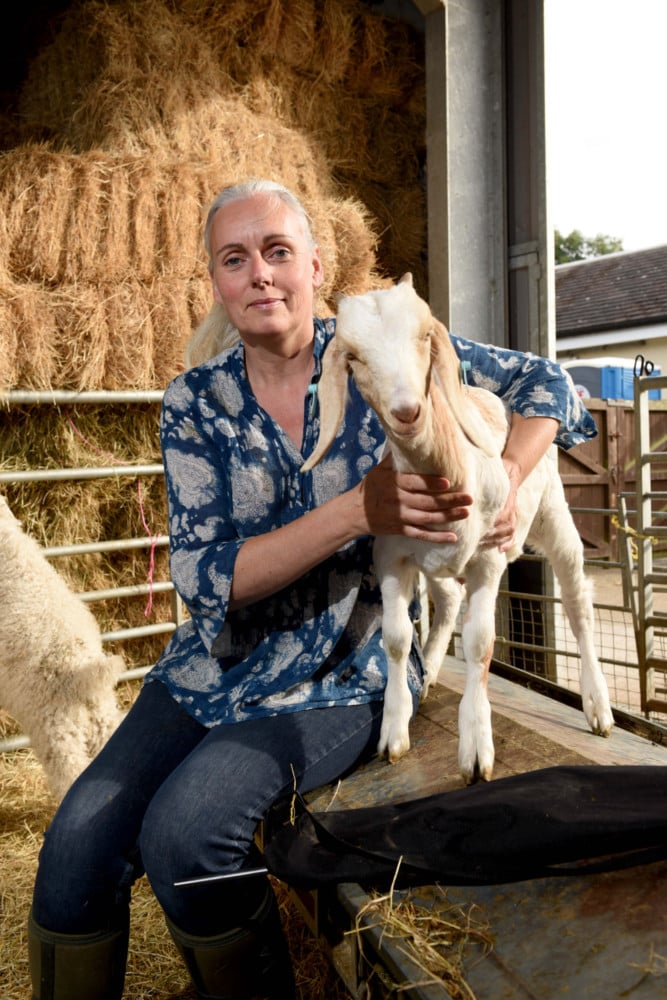
Clare Lewis from Goats Isle of Man told the Manx Independent that her farm had suffered fatalities as a consequence of this year’s drought. The Kirk Michael farm has around 200 goats and a number of chickens.
She said: ’It’s tough at the moment. Our hens aren’t laying that much because of the heat and the stream that we use has been dried up for weeks. Luckily goats don’t drink as much as cattle do.
’We’ve lost a few kids due to the drought and because of the drought our milking mums are still suckling their kids.
’Their milk is drying up due to the lack of green grass. We can feed them straw and other types of food, but it doesn’t matter. They want good, green grass.’
She said that the prolonged suckling caused by the hot conditions was going to affect [the farm from] going forwards’.
’When it comes to weaning youngsters, it’s good to put them on a field with green grass. Mums need a certain amount of time on their own without the kids before they go to the buck to breed,’ she said.
’The drought pushes things back. The mums need to be to be in top condition first before they go to the bucks.
’We’re all really feeling it in the farming community. We’ve lost our future crops and no one is going to have the amount of food that they should have [for winter].
’I’ve had inquiries from Scotland to buy Angora goats. We’ll have to ship out a few so we don’t have to feed so many in winter,’ she said.
Comments
This article has no comments yet. Be the first to leave a comment.