

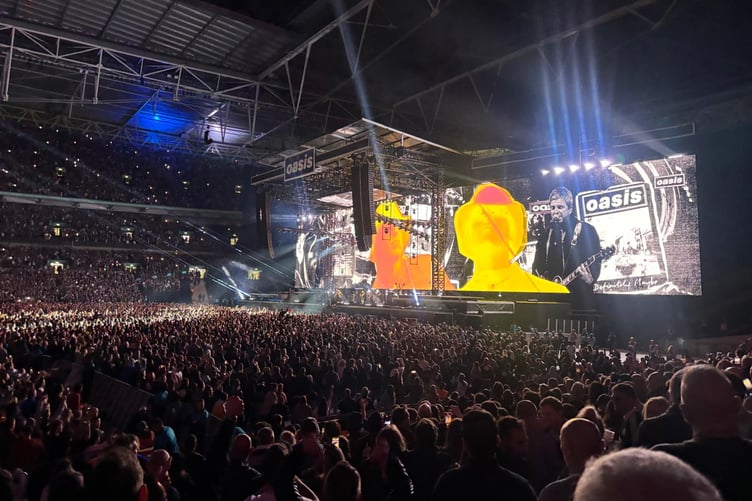
A warning has been issued to music fans after one punter lost £600 in an Oasis concert scam.
The pitfalls of trying to buy tickets to see your favourite band our performer have been in the news lately with the UK Government looking to tighten rules to stop ticket touts.
New rules mean reselling tickets above face value will be illegal, individuals reselling more tickets than they were entitled to will be banned and service fees on resale platforms will be capped.
But it is not just touts that are the problem with ticket fraud also on the rise as people desperately try to find ways to see the top bands and artists.



-Karen-(M)-and-Gerry-(R).png?width=209&height=140&crop=209:145,smart&quality=75)
Cyber Security Centre (CSC) for the Isle of Man has published its latest report for September and October which highlights ticket fraud issues.
‘These scams often target popular events where demand is high and tickets are scarce.’
Fraudsters create convincing posts or profiles claiming to have tickets for sale and often instill a sense of urgency and sometimes even embellish it with personal stories to build trust.
Victims are asked to pay upfront by bank transfer or by using digital wallets. Once payment is made, the scammer disappears with no tickets or any chance of a refund.
Not only can use lose money for the tickets but, by providing personal information, you risk being the victim of further fraud.
The CSC also warns victims could then be targeted in a ‘recovery scam’ where the fraudster pretends to offer refunds or a replacement ticket in exchange for further cash up front.
Within the report, the CSC cited a local case study with someone eager to get tickets for the much in-demand Oasis gigs which took place in the summer.
The report says: ‘A local report involved a fake sale of Oasis tickets on Facebook. The victim paid £600 to a Monzo business account after being persuaded by a seller posing as a genuine contact.
‘The tickets never arrived, and the seller’s account was later confirmed as having been compromised, meaning that the scammer had access to it.’
The CSC says people can protect themselves by buying tickets only from official sources such as verified platforms or authorised resellers, avoiding upfront payments to individuals, checking profiles carefully for warning signs such as new accounts or those with few friends, verifying the seller before paying by contacting them directly or via video call, and reporting any suspicious activity to the platform and to the Cyber Security Centre.
The report also reveals there have been more than 1,000 suspicious emails flagged up to the CSC with most concerning malicious links.
There have also been a number of reports of smishing (test message used to trick people into providing personal information with malicious links), fraudulent phone calls (vishing), scam websites and phishing (where fake emails are sent purporting to be from reputable companies to gain personal information).