
.png?trim=0,0,0,0&width=752&height=501&crop=752:501)
Local authorities responsible for social housing are divided over whether to apply an additional one percent rent increase under a new system introduced by the Department of Infrastructure (DoI)
From April 1, rents for all public sector housing - including sheltered and DoI housing - will rise in line with the September 2025 Consumer Price Index (CPI), which stands at 2.9 percent.
However, housing authorities can also choose to add a further one percent increase, which would generate extra funds for housing maintenance and development.
Under the previous system, authorities were asked for their views on rent increases before the DoI set a single rate.




Douglas City Council has opted to introduce the additional charge. Council leader Devon Watson said the extra income would help fund maintenance and allow further investment in housing.
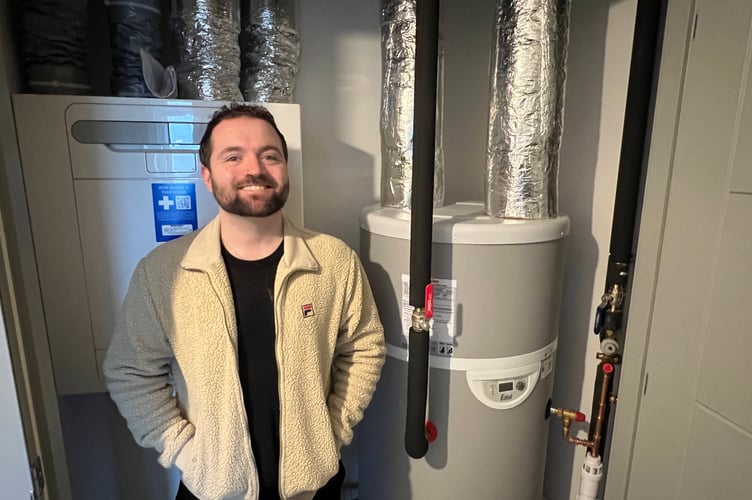
He said: ‘One of the reasons we’re doing this is because it allows us to invest in maintenance, improve properties and also construct new homes.
‘At the end of the day this still allows social housing to remain extremely affordable compared to the private sector, while over the next 10 to 20 years reducing reliance on the taxpayer,
‘Our core job is to tackle and end the housing crisis, and we can only do that by building. We can only build if we’ve got the funds to build.’
But Ramsey Commissioners have decided not to introduce the additional charge, warning it could lead to a ‘postcode lottery’ for tenants across the island.
.jpeg?width=752&height=500&crop=752:500)
Lead member for finance Juan McGuinness said the board believed an inflation-linked increase was reasonable but did not support adding further costs.
He said: ‘If our housing officer says there isn’t the need for our rents to increase by an additional one percent then we’ve got to go with what the figures represent.
‘I think that an inflationary based rise is sensible and in line, and there’s no need for us to add additional costs that are not necessary to our residents.’
Mr McGuinness said differences between authorities could widen over time.
He said: ‘My fear is perhaps not one percent initially, but as the years go by the rent disparities will increase. You could see people seeking to transfer to areas with lower rents.’
Several other authorities have also chosen not to introduce the additional charge.
Peel and Castletown Commissioners both rejected the proposal. Peel members said they had considered rent arrears as well as rising food and energy costs before making their decision, while Castletown said it did not want to place additional financial pressure on tenants.
Braddan Commissioners have also opted not to apply the extra increase.
However, Onchan Commissioners have chosen to introduce it, despite concerns that some tenants may not receive benefits support to offset the higher rent.
Port Erin and Port St Mary Commissioners have also approved the additional charge, with Port Erin citing the ongoing maintenance needs of its public sector housing.
Garff Commissioners, which operates sheltered housing, has also decided to apply the extra one percent increase. The authority said the change would increase its maintenance budget by around £500.
Announcing the changes in December 2025, the Department of Infrastructure said the previous system lacked transparency.