
There is often an idea that young people are uninterested in government and not engaged with politics in general.
Many would argue that this is also true on the Isle of Man and is getting worse.
Looking at data released by the government through census and voting figures we can see the voting trends for the island’s young residents.
During the 2006 election only 19.8% of the total population of 16- to 17-year-olds on the island voted, in 2011 we see an over 10% leap to 32.6% but in 2016 there was a drop to 26.7%.
.jpeg?width=209&height=140&crop=209:145,smart&quality=75)
.jpeg?width=209&height=140&crop=209:145,smart&quality=75)
Despite the drop in turnout from 2011 to 2016, overall, there has been a rise in 16- and 17-year-olds voting since they first had the option in 2006.
With turnout for the youngest voting age group in the UK (18-24) increasing by 16% between the last two elections, according to data collected by Ipsos Mori, we are seemingly going against the overall trend for the British Isles.
Looking at the history of young politicians on the island, it is rare that someone is elected to the House of Keys in their twenties, despite having the ability to run from 18.
The youngest MHK ever elected was Peter Karran in 1985 at the age of 25, seven years older then the age limit to run.
However, recent years have shown us that people are starting to realise that young people have just as much to contribute as anyone else.
Looking at the House of Keys, the current speaker, Juan Watterson, is the youngest in modern history. He was 36 at the time of his appointment. In April 2016 the island’s youngest ever politician was elected in Liam Miller as a Garff commissioner at 18 years old.
The same year Mr Miller was elected, Garff had one of the highest turnouts of 16- to 17-year-olds in the general election, second only to Ramsey.
This could show that when young people feel represented in government they are more likely to take notice and vote.
In 2006 on the Isle of Man we lowered the voting age to include 16- and 17-year-olds, becoming one of only 12 places in the world to do so.
This means that our politicians have a strong incentive to interact with people from the age of 16, with events like Junior Tynwald or the Chief Minister’s sixth form visits.
However, it seems to me that if we really want to engage more young people in our local and national politics, politicians shouldn’t wait to interact with the youth until they can vote. I would argue that our politicians, and not just MHKs, should visit the secondary schools within their area at least once a year, if not more, and directly interact with young people from the age of 11.
By interacting with the secondary school children of the island, politicians can make a difference in how young people perceive politics and allow them to have direct engagement through events like question and answer sessions.
If done properly by politicians in all positions, this would effectively introduce every child on the island to politics while they were still in compulsory education.
This could likely lead to increased engagement once they reached voting age.
Despite what people may say about the ability of children to comprehend politics, politicians are supposedly elected to represent everyone, so why should they leave out certain people just because they can’t vote?
Young people can be engaged in politics, but only if politics engages with them as well.
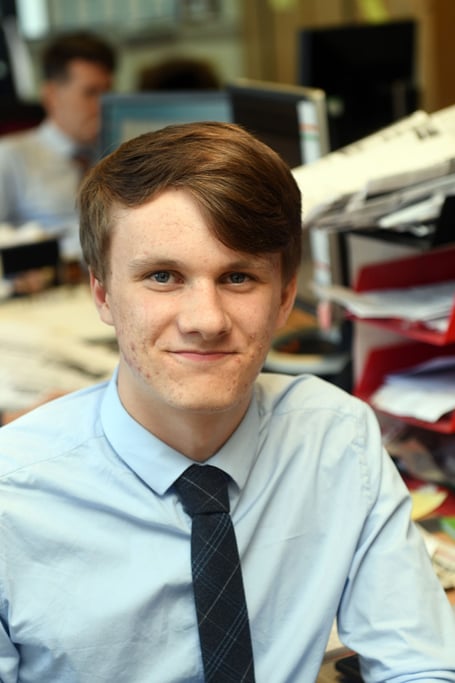
â?¢Noah is a sixth former at Ramsey Grammar School who completed work experience at Isle of Man Newspapers.
Comments
This article has no comments yet. Be the first to leave a comment.