
Manx territorial waters will offer the most protection in the entire British Isles region, for some species.
That’s the pledge from Environment Minister Geoffrey Boot.
The Manx Government is committed via the UN Convention on Biological Diversity to have at least 10% of its territorial waters under protection by 2020 and the Department for Environment, Food and Agriculture plans to increase the proportion of marine nature reserves by that date.
Current, he said, 10.4% of Manx waters was under ’some form of protection’, including restricted areas, conservation zones, closed fisheries and Ramsey Marine Nature Reserve. He said the department was proposing to turn all of those protected areas into marine nature reserves.


-(2).jpeg?width=209&height=140&crop=209:145,smart&quality=75)
’I believe this will amount to a greater proportion of our sea being protected than any other region of the British Isles,’ he said.
’This will enable specific protection of vulnerable habitats and species under the Wildlife Act while enabling sustainable exploitation and development, as demonstrated in Ramsey Bay.’
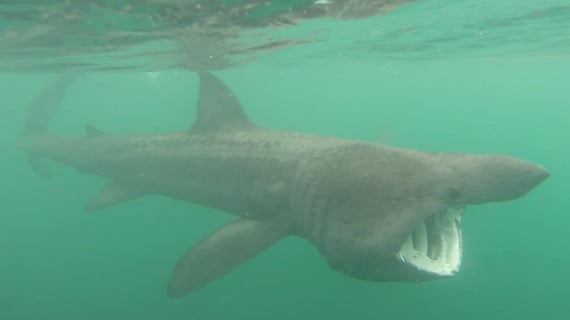
Mr Boot was responding to a House of Keys question tabled last week by Jason Moorhouse (Arbory, Castletown and Malew), who wanted to know about plans to make any areas of Manx waters protected zones for Risso’s dolphins, minke whales and basking sharks.
The Minister said those species were protected, both under the Wildlife Act and several international conventions to which the Isle of Man was a signatory. There is also a local code of conduct.
He added: ’My department financially supports Manx Whale and Dolphin Watch, Manx Basking Shark Watch and Manx Wildlife Trust, which research, monitor and report on these species in Manx waters.
’The estimated population of Risso’s dolphins is 112 and for basking sharks around 90. That, of course, is seasonal.’
He praised the tagging project undertaken by Manx Basking Shark Watch, with DEFA support: ’It is globally significant and has changed the world specialist view of how these creatures migrate around the globe.’
But he admitted it was difficult to dedicate conservation areas for mobile and seasonal species, although the three species would be included in the conservation plans for the proposed marine nature reserves.
’Our priority is to protect our marine environment and the habitats and species within it via our marine nature reserve designations,’ Mr Boot said. These will enable recovery and conservation of the whole eco-system, providing benefits for many species.’
There was also potential for ’marine eco-tourism’, he said.
Comments
This article has no comments yet. Be the first to leave a comment.