
Ta mee er lhaih mychione schleider-jalloo jeh Ã?hina va baghey ayns balley-beg cheerey keeadyn dy vleeantyn er dy henney.
Va’* schlei echey erskyn schleider erbee elley sy ream as myr shen cheayll yn Impir my-e-chione as ren eh sumney eh dy heet dys e chooyrt.
Tra haink yn schleider kiongoyrt yn chooyrt vrie yn impir jeh "C’red ta aashagh dy yannoo jalloo jeh? As C’red ta doillee?" Dreggyr yn dooinney; "Ta jouyil aashagh. Ta moddee doillee."
Va’* dooinney ginsh yn irriney, agh ec y traa cheddin v’eh dy follit goltooaney yn impir son va’* impir hene graihagh er culleeyn daahoil, coamrey dallagh, tooryn sollys, plaaseyn yindyssagh as cowraghyn jouyil, dragon, as e ennym hene scruit orroo ooilley.

.jpeg?width=209&height=140&crop=209:145,smart&quality=75)
Ny-yeih, cha dod yn impir ayns firrinys jannoo cosoylley cairagh jeh red ennagh cha cadjin agh cha aalin and caarjyssagh as moddey as buggane; eer yn buggane share oddagh schleider y chroo - as hug shen er smooinaght er cre ta dy jarroo aalin, as cre ta graney.
Fodmain goaill ansoor yn schleider creeney myr mac-soylley cooie da ymmodee reddyn elley; lheid as thieyn, greieyn, bee, kiaull, eaddagh, as heemain dy vel reddyn dooghyssagh, ny reddyn jeant lesh schlei as graih, dy mennick ny s’taitnysee na reddyn yindyssagh mooarlagh.
Mychione stayd y teihll ny laghyn t’ayn jiu, t’eh jeeaghyn dy vel shin ro-vennick croo ’bugganeyn’ as shin jannoo nyn gooid share dy yeeaghyn da sleih elley dy vel shin noa-emshiragh, berçhagh as niartal.
Ta fys fondagh ain nish dy vel yn seihll ain ayns drogh stayd as dy vel eh gaase ny s’çhoe.
Cha vel fys fondagh ain dy nee jannooyn sheelnaue, er-lheh adsyn ta jannoo gassyn-thie-gless y skeeahragh, ec bun y chooish shoh, agh t’eh lickly dy liooar.
Shegin dooin goaill rish dy vel shin er *’yannoo wheesh assee da ny faarkaghyn, keylljyn, thalloo as aer as ta danjeyr ayn nagh bee beaghey sauçhey dy liooar son sheelnaue ayns ny sheelogheyn ry-heet.
Ga dy vel eh dy mennick ny s’doillee dy chur er nyn doshiaght eieyn nagh vel cha moyrnagh, lhisagh shin smooinaghtyn vel ansooryn dooghyssagh shione dooin
hannah, da ny feyshtyn doillee ain ny laghyn t’ayn jiu ta ny share na ny hansooryn aashagh er nyn jebbal liorish ny himpiryn mooarlagh ta craa ny culleeyn oc, cur magh sleih-gerrymyn jeh goan follym as cur ’jouyil’ er nyn doshiaght.
Ta mee treishteill dy bee yn reiltys ain stuirey coorse keeayllagh trooid ny meeaghyn ry-heet.
I have read about a Chinese artist who lived in a village in the countryside hundreds of years ago.
His skill as an artist was far greater than any other artist in the realm and so the emperor heard about him and summoned him to his court.
When the artist came before the court the emperor asked him "What is easy to make a picture of? And what is difficult?"
The man answered: "Demons are easy. Dogs are difficult."
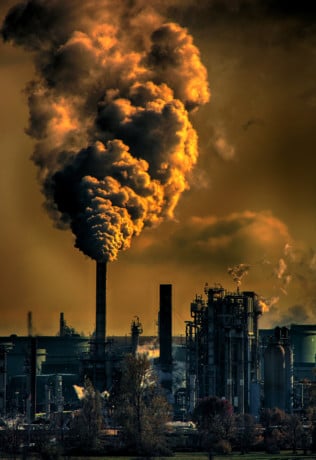
The man was telling the truth, but at the same time he was secretly criticising the emperor because the emperor himself was very fond of gaudy banners, dazzling clothes, shining towers and fantastical palaces, and all with demons, dragons, and his own name written on them.
Nevertheless, the emperor couldn’t really make a fair comparison of something as beautiful and friendly as a dog, and a monster; even the best monster an artist could create - and that made the emperor think about what is truly beautiful, and what is ugly.
We can take the answer of the wise artist as a metaphor for many otherthings, such as buildings, machines, food, music, clothing, and we will see that natural things, or things made with skill and love, are usually more pleasing than fantastical and showy things.
Concerning the state of the world today, it seems that we too often create ’demons’ whilst we are trying to impress on other people that we are modern, wealthy and powerful.
We know for sure now that our world is in a bad state and that it is getting hotter. We cannot be completely sure that human activities, especially those that cause greenhouse gas emissions, are the root cause of this, but it is highly likely.
We have to accept that we have done so much damage to the oceans, forests, land and atmosphere that there is a dangerous possibility that there won’t be enough food for our future generations.
Although it is often more difficult to progress ideas that aren’t so ostentatious, we should consider that there may be more natural and familiar answers to the difficult problems we face today than the easy answers offered by the haughty emperors waving their banners, offering empty slogans and promoting ’demons’.
I trust our government will steer a sensible course through the coming months.
Comments
This article has no comments yet. Be the first to leave a comment.