
by Jess Wade
Plastic has become a much-talked about issue in recent years, with many island businesses and residents taking a pledge to stop relying on single-use plastics.
After a chat with the McEvoy family from Peel, who’ve made permanent steps to reduce their plastic intake, I decided to visit the energy-from-waste plant and speak to the Douglas Borough Council recycling centre to see if this material is essential in producing electricity or creating revenue.
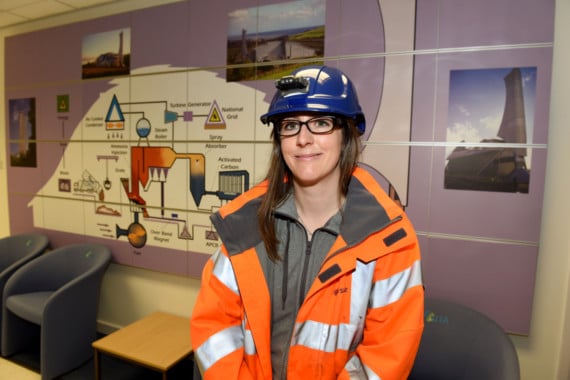
Stephanie Gray, the head of waste management at the Department of Infrastructure, assured me during a visit to the energy-from-waste (EfW) plant that the growing trend of people swapping their plastic for sustainable items would not have a huge effect on energy production.


.jpeg?width=209&height=140&crop=209:145,smart&quality=75)
.jpeg?width=209&height=140&crop=209:145,smart&quality=75)
’Plastic is light and burns easily, therefore people reducing their plastic waste is not going to make a massive difference at the EfW plant,’ she said.
Stephanie’s point makes me think about the replacements that people have been making, such as bamboo toothbrushes and cotton bags, which, of course, will burn at a slower rate compared to the plastic alternatives.
The heat generated is used to convert water into steam, which goes on to power a turbine, generating electricity.
Stephanie makes a further point, saying that the better option is to ’take your plastics out [of your general waste] and put them in your recycling bin’.
’It’s a big educational point we’re trying to make,’ she said.
Hazardous waste manager at Suez Isle of Man, Beckie Weimar, added: ’We take in all domestic waste collected from the island’s households by the local council. Unfortunately we cannot take out the plastics, or any other recyclables, once they are delivered to the EfW.
’Many facilities like ours now have a Materials Recovery Facility (MRF) before the EfW, this is specialised plant that receives, separates and prepares recyclable materials, anything that cannot be recovered at the MRF would then be sent on to the EfW facility.’
During her tour of the plant, Beckie explained that a lot of the clinical waste they get is plastic. I start to think about whether there are ways in simplifying the plastic problem, such as cellulose syringes and other bio-based disposable items.
After my trip to the plant, I asked Douglas Borough Council if the plastic trend has already made an impact on the recycling service.
Senior engineering and waste services manager, Andy Crook, said: ’The council collected around 55,000kg of plastic from Douglas households in 2017, the figure is consistent with previous years.
’A reduction in plastic usage would have no significant impact on the service as the requirement to collect paper, cans and glass would still remain. The market price for plastic, particularly PET (polyethylene terephthalate) is at its lowest since the council started the service.’
He explained: ’Two types of plastic are collected by the council, HDPE (high density polyethylene) which is the milk, shampoo and detergent type bottles and PET which is your typical water and ’pop’ type bottles.
’HDPE is a high quality plastic which attracts a good price in the recycling market.
’The demand for PET has recently taken a dip largely due to China imposing embargoes on recycled plastic suppliers. At this moment it would be difficult to create an economic argument for collecting PET especially with an energy-from-waste plant on the doorstep.’
So, it turns out that plastic doesn’t provide a significant proportion of energy production, and financial implications mean it’s not super beneficial for the island to sell recycled PET plastics to the UK. Therefore, reducing plastic would be more ideal, or people should at least take the time to sort through their rubbish and pop milk bottles into recycling bins.
Could the rising trend of reducing your plastic waste have an economic impact on the island? Jess Ward asks members of the waste industry.
Comments
This article has no comments yet. Be the first to leave a comment.