
.jpeg?trim=0,0,0,0&width=752&height=501&crop=752:501)
The sight of a dog or cat eating grass can be quite disconcerting for an owner, given both species are naturally carnivorous, but there are several reasons why grass-eating may have certain health benefits.
Despite there being a lack of scientific research into the subject, a moderate amount of grass-eating is considered normal behaviour in dogs and cats.
Although it seems counter-productive as a health benefit, grass-eating can often induce vomiting.
Neither species has the necessary enzymes to digest a large amount of grass, which is why it can make them sick.

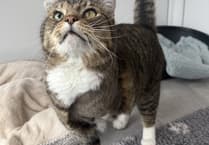


The process of vomiting clears an animal’s stomach of undigested food or objects. In the case of cats, this can often be the bits of their prey that remain intact during the digestive process – bones, fur, feathers, etc.
Grass doesn’t just help with digestion by causing vomiting, it can also act as a laxative and help with regular bowl movements.
This is especially important if something is blocking the digestive tract – in the case of dogs, this could be small stones or pebbles that they have eaten.
If a dog regularly eats non-food substances this could be a sign of a psychological behaviour issue rather than a physiological one, and is called ‘pica’.
Grass may also be quite tasty with a pleasant texture, and provide an alternative to a dog or cat’s usual, often processed, diet.
Grass juice contains folic acid, a vitamin that supports growth and helps increase oxygen levels in the blood, and so regular grass-eating may be a sign of dietary deficiency.
Eating grass may also be a way for a dog or cat, particularly a young one, to explore their environment using their taste and smell sensors; and they may be sniffing and nibbling the grass rather than actually digesting it.
This may also be a sign, in the case of dogs, that they are bored and so you need to ensure that they have access to other stimuli such as chews and toys.
Whilst grass itself isn’t intrinsically hazardous for dogs and cats, it may harbour parasites that are a danger such as ticks (which can attach themselves to a passing dog or cat and infect their host with a blood disorder) or slugs (which can spread lungworm).
If you want to discourage your dog from eating grass, perhaps because you think it may have been treated with chemicals, avoid doing so in a negative way. Distract them with a toy or a treat, or a new game, and keep them engaged and responsive to your commands.
And if you have an indoor cat, why not consider growing grass indoors for them? A small tray of grass growing on a windowsill will enrich their environment at minimal expense.
A word of warning though: if your dog or cat is eating an excessive amount of grass on a regular basis, there may be an underlying health issue that you need to address, and it is best to seek your vet’s advice.
We don’t think Wilson and Harvey, new arrivals in our kennels, have a particular inclination to eat grass, and we haven’t seen them munching on the abundance of foliage we have at Ard Jerkyll at the moment. These lovely boys are a bonded pair, but very different in terms of temperament and needs.
Wilson is an eight-year-old working cocker spaniel, whereas Harvey is a 13-year-old Jack Russell.
Wilson is a typical spaniel – full of beans and always on the go. He needs an owner who will enjoy sharing long walks with him as well as being able to exercise his brain.
Harvey is very chipper for his age, and is still happy to go on long walks, but as he gets older he will become more inclined to potter and live life at a slower pace.
Both dogs get on well with other dogs, and they would be best suited to a new owner who can be with them for most of the time. Given Wilson is a working dog, he can’t be rehomed with other pets that he might think are ‘fair game’!