

The Isle of Man government is seeking to generate more energy domestically, but warns that it will mean greater investment costs.
That is according to the government's Energy Strategy which is set to go before Tynwald this month.
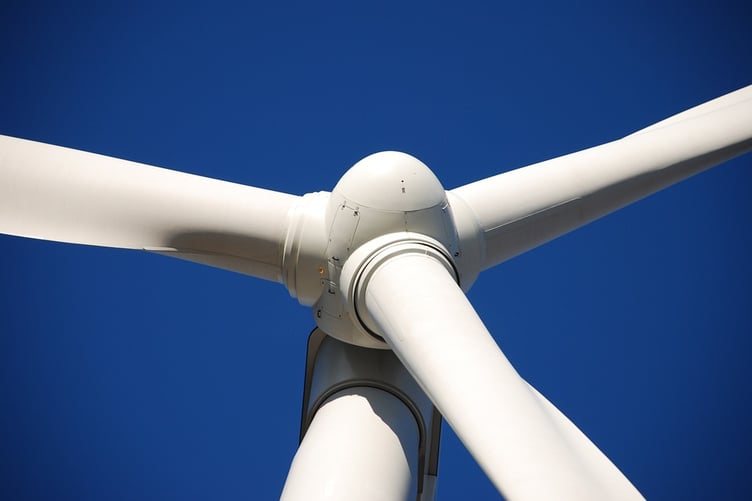
The strategy has a strong focus on renewable energy, in particular harnessing wind power which it says better fits the demand profile of the island.
‘In general terms and at scale, we believe that wind offers the most cost effective means to deliver renewables,’ the strategy says.

.jpeg?width=209&height=140&crop=209:145,smart&quality=75)

-(1).jpeg?width=209&height=140&crop=209:145,smart&quality=75)
‘It generally produces reliably during winter when demand is highest and the windy nature of our geographical location means that it also has a valuable level of production even in summer.’
Whilst it says solar is more productive in summer, it adds that it can be valuable as it is quick to deploy and can be situated in locations where there are no issues with competing land use.
But greater energy independence comes with increased investment costs because of the higher capital requirement, according to the strategy. This is in terms of both generation assets such as wind power and the demands for storage to back up intermittent renewables.
However it adds once installed, the operation expenditure of renewables is very low.
The strategy adds that home grown energy could also include gas, if the activities under the current licence, held by Crogga, demonstrates that an economically viable reserve is available.
But there is a limited time window in which gas can be used in the island, in order to meet climate goals and net zero.
Future iterations of the strategy will focus attention on an exact phase out timeline for existing fossil fuel assets, which is said to deliver a ‘practical vision that will guide the transition’ according to the strategy.
This includes addressing the question of under what circumstances continued use of gas or diesel might be considered in order to maintain security of supply, whilst meeting decarbonisation commitments.
Actions stated in the strategy include the Manx Utilities 30Mw onshore windfarm, commissioning a second interconnector and working with stakeholders on the potential for bioenergy (generated from living organisms) in the island.
Policies have already been put into place to phase out fossil fuels. From this week (January 1), all plans for buildings and extensions containing fossil fuel heating systems that are submitted will be refused by Building Control.
Comments
This article has no comments yet. Be the first to leave a comment.