.JPG?width=94&height=94&crop=1:1,smart&quality=75)

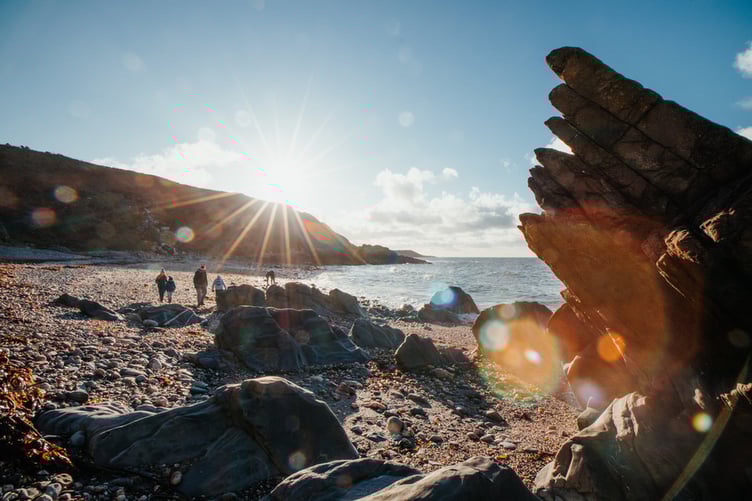
The Isle of Man has submitted its first periodic review to United Nations Educational Scientific and Cultural Organisation, marking 10 years since the island became the world’s first whole nation to be designated a Biosphere Reserve.
The review is a requirement for all UNESCO Biosphere Reserves, which are assessed every 10 years to ensure they continue to meet the criteria for the designation.
The Isle of Man was awarded UNESCO Biosphere status in 2016, recognising the island’s natural environment, cultural heritage and the relationship between its communities and the surrounding environment.
The designation is intended to provide a framework for balancing the conservation of biodiversity and cultural heritage with sustainable development and learning.
The island is part of a global network of more than 750 Biosphere Reserves, with the Isle of Man’s designation covering the whole island and its territorial waters.
The Periodic Review concludes that the Isle of Man continues to meet the criteria for Biosphere status and sets out progress made during the first decade.
One of the developments highlighted is the growth of the Biosphere partnership network, which now includes almost 400 organisations from across government, business, education and community sectors.
The network is intended to provide opportunities for organisations and individuals to contribute to the aims of the Biosphere and to demonstrate how sustainability can be applied in practice.
The review also highlights the island’s contribution to the wider international Biosphere network.
Minister for Environment, Food and Agriculture Clare Barber said: ‘Being the world's first entire nation designated a UNESCO Biosphere Reserve is a status we should be immensely proud of.
.jpeg?width=209&height=140&crop=209:145,smart&quality=75)
‘This review is our chance to celebrate 10 remarkable years and ensure that legacy continues.’
UNESCO describes Biosphere Reserves as places where conservation is combined with sustainable development, research, education and the involvement of local communities.
For the Isle of Man, the Biosphere programme has provided a framework for bringing together environmental, economic and social interests, and the next decade will focus on strengthening that work.
Jason Bissell, chair of the Biosphere Board, said: ‘The Periodic Review shows how far we’ve come since becoming the world’s first whole-nation Biosphere, and also highlights where we can do more.
‘It reminds us that our communities, environment and economy are connected, and that the choices we make together will shape the island’s future.’
Priorities identified in the review include improving coordination across government, increasing public understanding of what UNESCO Biosphere status means for people living in the island, and securing the resources required to deliver the programme.
The review is now with UNESCO, with the outcome expected from the ‘Man and the Biosphere International Coordinating Council’ in summer 2027.
The 10-year milestone will also be marked by a new exhibition exploring the island’s Biosphere status.
The ‘Jeihosphere’ exhibition opens at the Manx Museum in Douglas on Saturday, October 3, and will run until Sunday, February 28. ‘Jeih’ is the Manx word for ‘ten’.