

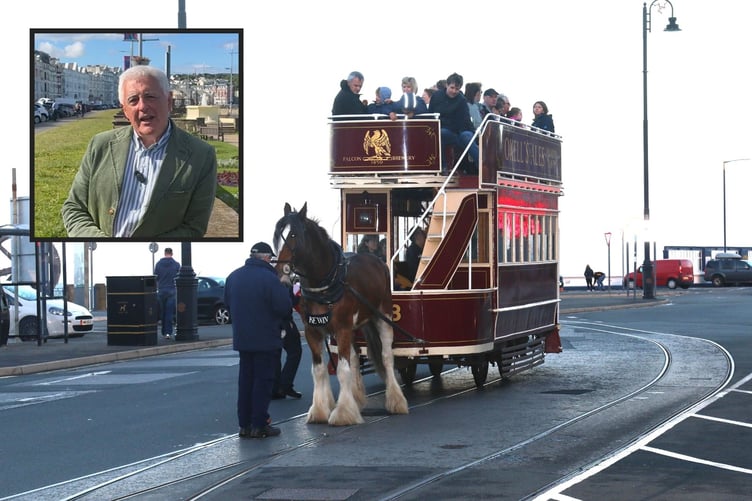
A long-awaited business case for extending the Douglas Bay Horse Tramway to the Sea Terminal has been dismissed by a veteran broadcaster as ‘the biggest fudge’ he has ever seen.
Renowned island historian Charles Guard launched a scathing attack on the proposals in his latest online video, questioning why the projected cost of extending the tramway from Broadway to the Sea Terminal has risen from £2 million to £3 million.
The increase follows the inclusion of a 50% ‘optimism bias’ contingency at the insistence of Treasury.
The business case is due to be considered at this month's sitting of Tynwald, where members will be asked to note the draft document and support its progression through the capital projects process.
.jpeg?width=209&height=140&crop=209:145,smart&quality=75)
In the video, which was posted online Thursday evening, Mr Guard criticised both the increased cost and the proposed Tynwald motion.
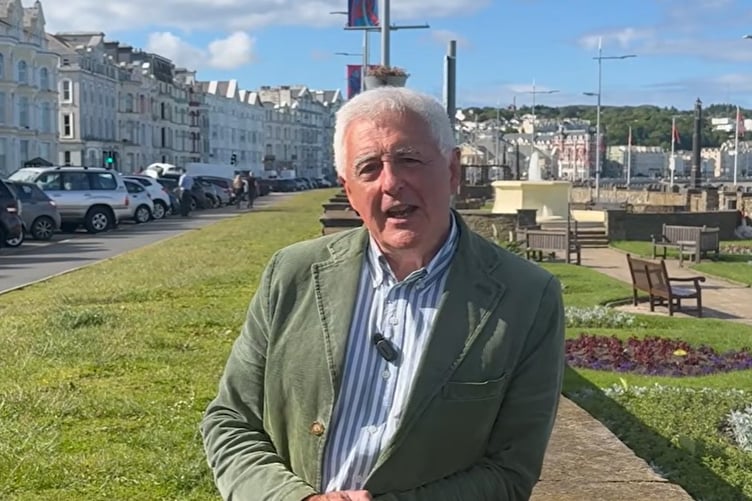
He said: ‘In my humble opinion, this is the biggest fudge I've ever come across in all my years of following Manx politics.’
Referring to comments made by Isle of Man Railways director Andy Cowie on Manx Radio at the end of April, Mr Guard said the project had previously been expected to cost around £2 million.
However, after reading the business case, he said: ‘It's not £2 million, it's gone up to £3 million. So, in the last few weeks, they've added another million pounds.’
Mr Guard said the additional funding had been added because of Treasury's recommendation for a 50% optimism bias contingency.
He said: ‘I've looked it up online. In effect, it's the Treasury saying that the Department of Infrastructure are being optimistic in being able to put this project together on budget and on time for £2 million, so we're going to throw another million pounds at them.
‘That's just extraordinary.’
Mr Guard compared the figure with guidance contained in HM Treasury's Green Book, which he said recommended contingencies of up to 24% for standard projects.
He argued that the horse tram extension should fall into that category and pointed to the business case's reference to an established team that already carries out annual rail track renewal work.
‘The team have a proven capability,’ he said.
‘So, it's actually local people who know how to do the job and yet we need another million pounds in case it all goes wrong.’
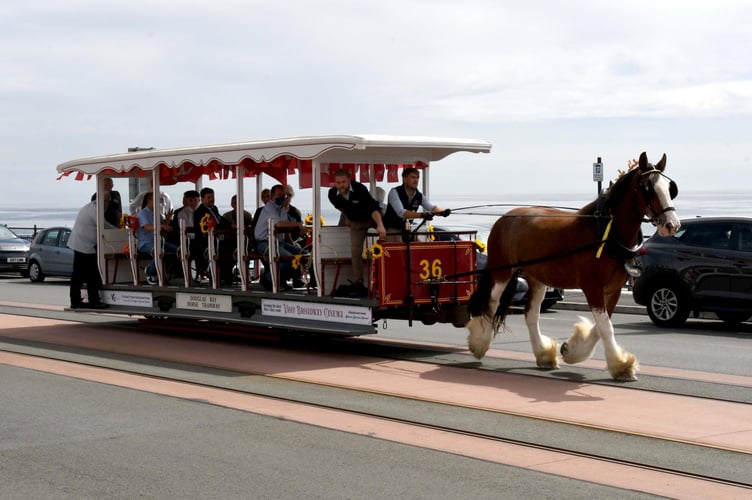
He also questioned Treasury's justification that global instability could increase construction and supply costs.
‘We've already bought the rail. It's been in storage for years,’ he said.
‘If I was cynical, I would say it seems to me that the political members of the Treasury, Mr Thomas, Mr Andrew Smith and Mr Clueit, don't want this to happen.
‘They're going to frighten everybody off by saying it's going to cost £3 million.’
Mr Guard also criticised the wording of the Tynwald motion, which asks members to note the draft business case rather than approve it.
‘After all the years they've been preparing this, after all the months that this has been honed, they want now to carry on talking about it,’ he said.
‘For how long? There's no timescale.’
He described the move as ‘one of the greatest cases of kicking the can so far down the road you can't see it’.
Towards the end of the video, Mr Guard challenged Treasury Minister Dr Alex Allinson's predecessor in the role and current Treasury Minister Chris Thomas over comments made in correspondence with a member of the public regarding the future of the horse trams.
Quoting from the email, Mr Guard said Mr Thomas had written: ‘If I am re-elected and am able to serve in a senior position in the next government, we will reinstate the horse tramway to the Sea Terminal in the next parliament.’
Mr Guard argued that, as Mr Thomas is already an elected MHK serving in a senior government role, he could act now.
‘If you are a man of your word, if you have any intention of carrying out what you say, you can do it right now,’ he said.
Mr Guard called for a member of Tynwald to table an amendment instructing the Department of Infrastructure to proceed with the scheme as soon as possible.
The business case details
Works are planned to be completed within 40 weeks but will not start on site until at least six months after Tynwald gives funding approval.
The business case acknowledges the investment will not make a return but will fund a heritage tourist attraction, with rail tourism forming a significant part of the island’s economy and appeal.
It sets out three options - do nothing, extend the track to the War Memorial and reinstate the track to the Sea Terminal.
Recommending this third option, the business case says the full track will enhance the visitor experience of the horse tramway including for cruise ship visitors, boost passengers numbers and allow fares to be increased.
It says the project will position government as a ‘responsible guardian of an iconic and unique heritage asset’.
The motion tabled for this month’s Tynwald sitting will not seek funding approval and merely asks members to note the draft business case and ‘support its progress through the capital project procedures’.
Removal, realignment and replacement of the Douglas Bay horse tramway formed part of the promenade reconstruction scheme.
It had been intended to replace the full length of tramway but delays and increased costs led to the project being re-scoped and the tramway truncated at Broadway.
The business case notes: ‘It is not true to say that the money for the tramway was spent on other elements of the project. The tramway construction in the centre of the road was a costly and disruptive part of the project.’
Before the promenade refurbishment got under way in 2018, the horse trams carried around 80,000 visitors and generated an income of £140k.
In 2023, it carried just 45,000 passengers and generated income of £44k.
The business case estimates that a reinstated track and increased cruise ship visitors using the tram could increase passengers to over 100,000 a year.
This together with fare rises could see an income of around £135,000 per annum, it adds.
The business case says the reinstatement of the tramway track from Broadway to the Sunken Gardens will require long planned work by highways to improve and alter the level of the walkway in that area.
It says the track has already been procured, which reduces the price risk, but the rail cost will be booked to the project at purchase price.
The track was old when originally purchased and has remained exposed to the weather in storage since then, leaving it pitted with corrosion which will require remedial machine grinding.
Installation works will be scheduled outside of peak seasonal periods to reduce the impact of any construction works, notes the business case.