

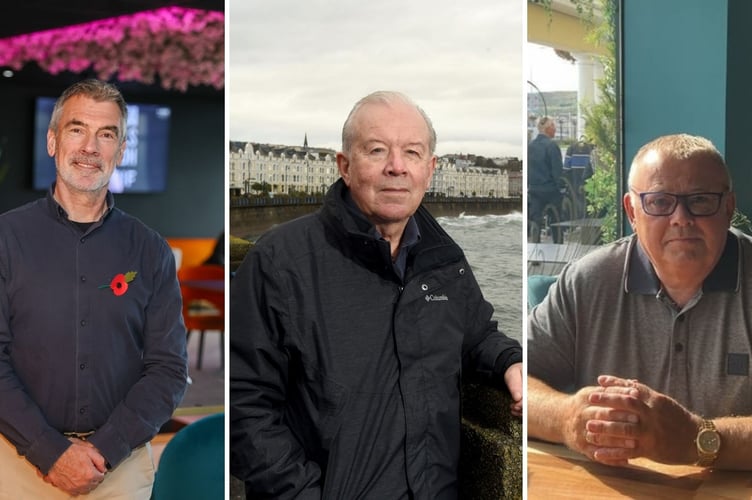
Senior figures from across the Isle of Man’s business community have accused government of ‘ideological blindness’ over its planned minimum wage increase, warning the policy risks accelerating job losses, business failures and economic decline as the issue comes to a head in Tynwald next week.
In a strongly worded statement issued on Wednesday, the Local Economy Forum (LEF) said a recent meeting with the Treasury and Enterprise ministers had been ‘totally unproductive’, claiming ministers were refusing to engage with alternative proposals despite mounting evidence of strain across the private sector.
The island is currently due to increase the minimum wage to £13.46 an hour from April 2026, a rise of 9.9%, based on a policy of setting pay at 66% of median earnings.
The increase has triggered sustained opposition from businesses, particularly in hospitality, retail and other labour-intensive sectors.
.jpeg?width=209&height=140&crop=209:145,smart&quality=75)

.jpeg?width=209&height=140&crop=209:145,smart&quality=75)
LEF secretary Brett Martin said the forum had put forward a credible alternative which would improve take-home pay for workers while easing pressure on employers.
‘We’ve presented government with a way of putting more money into the pockets of lower paid workers without risking job losses and business failures, but they just don’t want to engage,’ he said.
‘Tynwald policy seems to be the excuse regardless of the fact that government’s own Minimum Wage Committee and Economic Policy Review Committee have told them it’s wrong-headed!’
Mr Martin said the island’s economy was already in significant difficulty.
‘The most recent published figures show our economy is in significant recession with GDP down more than 11% since the pandemic,’ he said.
‘For some strange reason, government seems to think that the way out of this is to carry on growing the public sector, impose unrealistic costs on business and increase the taxes on the lower paid.
‘You don’t have to be a professor of economics to see that the inevitable result of such a policy is inflation, economic decline, and job losses.’
The intervention follows exchanges in the House of Keys on Tuesday, where the Treasury Minister acknowledged the depth of concern among employers and declined to rule out a rethink of the planned increase.
During the first sitting of 2026, Dr Alex Allinson said he would not ‘pre-empt’ a debate scheduled for next week’s Tynwald sitting, tabled by Onchan MHK Julie Edge, who is calling for a phased approach to any increase.
However, the minister accepted that for some businesses the proposed rise was being viewed as ‘the last straw’, following prolonged inflation, high energy costs, reduced footfall and changing consumer behaviour.
‘In terms of concerns about the increase in the minimum wage of 9.9% the honourable member talked about, I absolutely agree with him that there are concerns there,’ Dr Allinson said. ‘I’m not negating those concerns.’
.jpeg?trim=0,0,0,320&width=752&height=501&crop=752:501)
Ms Edge pressed the minister on whether any updated impact assessments had been carried out examining the effect of the increase on employment, working hours, youth jobs and the cost to taxpayers of any associated support schemes.
Dr Allinson confirmed no new assessments had been undertaken since October 2025, though he argued international evidence suggested minimum wage rises below 15% had not significantly impacted employment or inflation.
He acknowledged, however, that the announcement had compounded pressures for some employers and said a targeted support package would be developed, the cost of which ‘has not yet been finalised’.
LEF chairman and former MHK Chris Robertshaw said the minimum wage debate reflected a deeper problem within government.
‘The minimum wage debate, or rather the lack of debate, is a symptom of an underlying disease that has gripped our government,’ he said. ‘They have become totally self-centric and have lost their way when it comes to listening to the people they’re supposed to represent.’
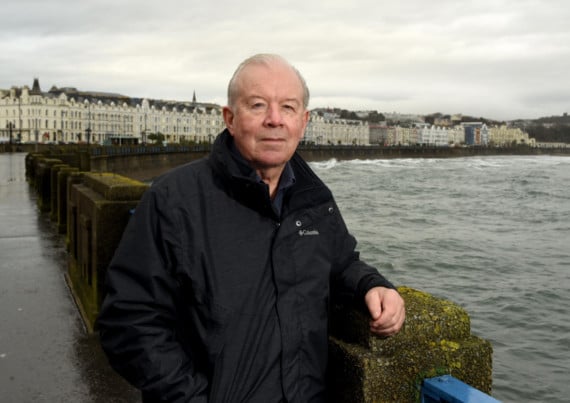
Mr Robertshaw listed a series of policies he said illustrated that disconnect, adding: ‘Hopefully, the elections in September will bring change, but I worry greatly about the lasting damage that will be done in the interim.’
Support for LEF’s position has now been echoed by the Isle of Man Licensed Victuallers’ Association (LVA), which represents pubs, bars, restaurants and cafés across the island.
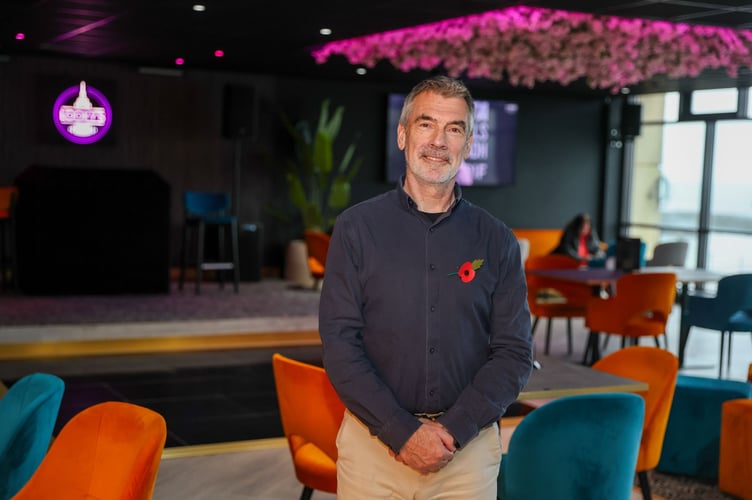
LVA chairman Andrew Gibbs said hospitality businesses were ‘on the frontline of the local economy’ and facing a convergence of pressures including labour costs, energy prices and falling consumer confidence.
‘Our members are feeling, day by day, the cumulative impact of rising costs, falling consumer confidence, and a prolonged lack of meaningful engagement with industry,’ he said.
While stressing that fair pay was essential, Mr Gibbs warned that sudden wage changes could have unintended consequences.
‘While fair pay is essential, sudden changes to wage structures can create challenges for employers, particularly smaller businesses, in balancing costs with training and workforce development,’ he said.
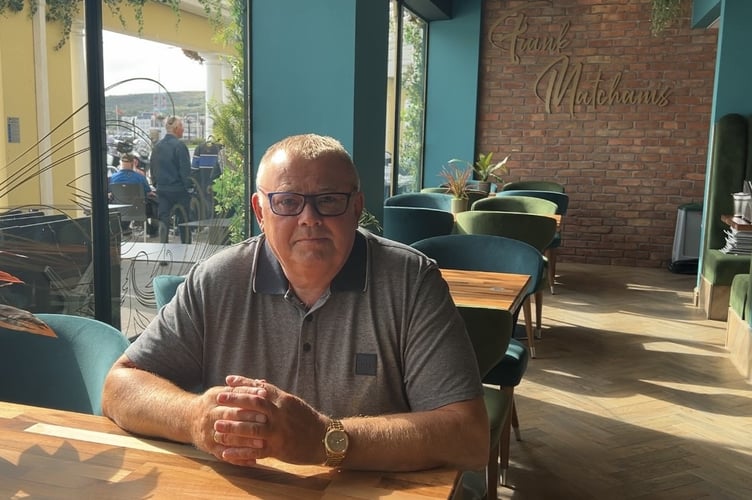
‘Policy decisions that do not fully consider the operational realities of hospitality businesses risk discouraging hiring and limiting opportunities for those seeking their first work experience.’
The LEF has proposed an alternative model that would see the Isle of Man’s minimum wage rate matching the UK’s, combining it with targeted government tax credits to lift workers to a living wage.
The forum argues this would increase take-home pay while reducing the risk to businesses.
With the issue set to be debated in Tynwald next week, business leaders are urging politicians to reconsider the current approach before, they warn, irreversible damage is done to the island’s economy.